
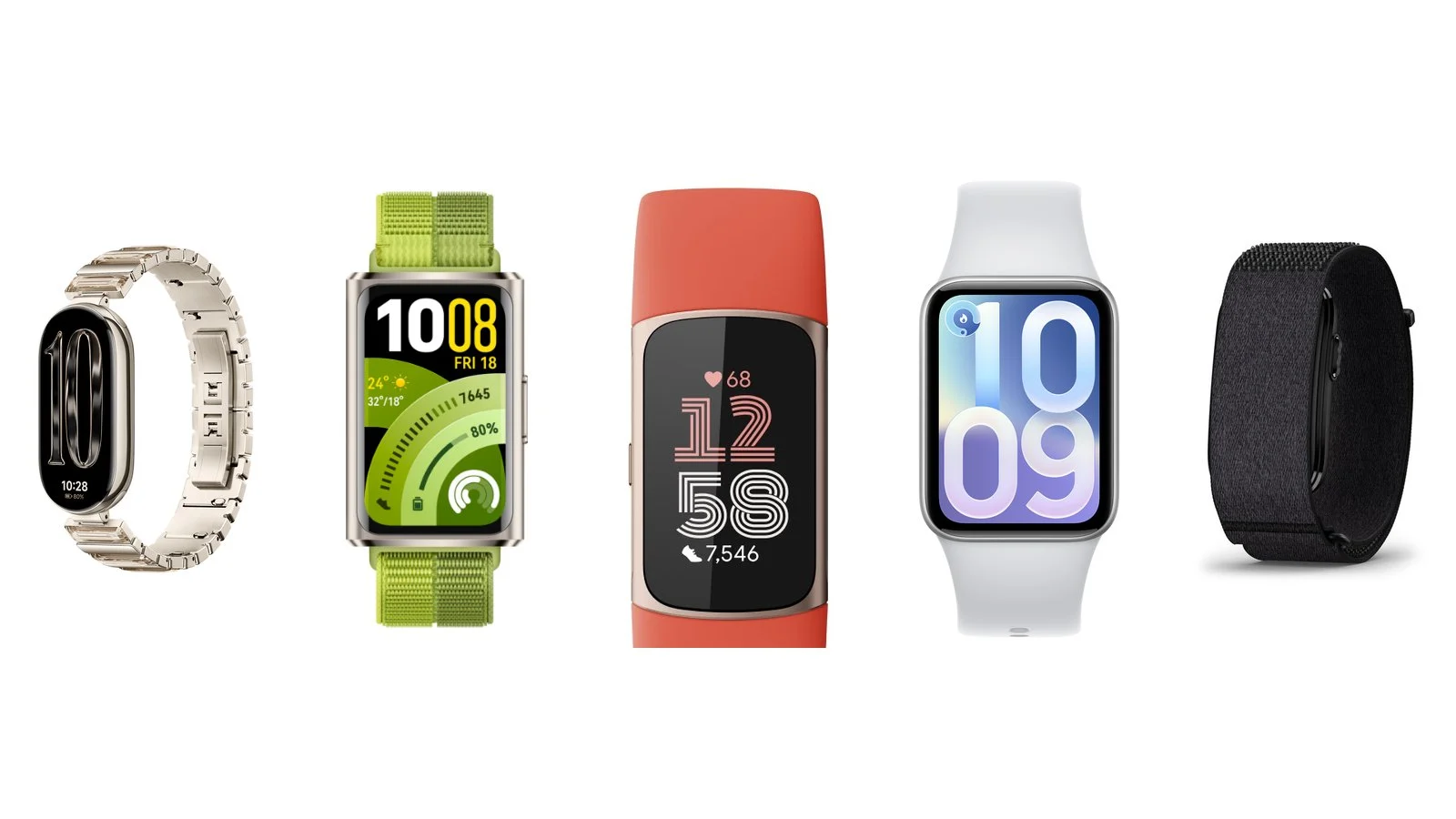
The best fitness trackers of 2026 are these seven bands, all on sale on September 22 in the official Xiaomi, Huawei, Google and Garmin stores. For most people, the Xiaomi Smart Band 10 at €49.99 is enough: a bright AMOLED screen and up to 21 days on a charge. The cheapest band with its own GPS is the HUAWEI Band 11 Pro, ECG and paying with your band come with the Fitbit Charge 6, and if you don’t need a screen, look at the Google Fitbit Air and the Garmin CIRQA.
We compared what matters when you choose one: sensors, battery life, display, water resistance, companion app and price. Specs come from the makers’ websites and prices from their official stores in Germany: all four brands sell there, so the prices are comparable. Our editors did not test these bands themselves.
How we picked
- Current models. Only bands you could order from the makers’ official stores on September 22, 2026. Sold-out and outdated models are in “What didn’t make the list and why.”
- Sensors. Every band tracks heart rate around the clock, SpO₂ and sleep. Built-in GPS, ECG, heart rate variability (HRV) and skin temperature counted as a plus.
- Battery life. At least 7 days, according to the maker.
- Water resistance. 5 ATM, or 50 meters: you can keep the band on in the pool and in the rain.
- Phone and subscription. Works with Android and iPhone; core features don’t need a paid subscription.
- Price. Up to €200 in the official store.
1. Xiaomi Smart Band 10
Best for most peopleFitness tracker
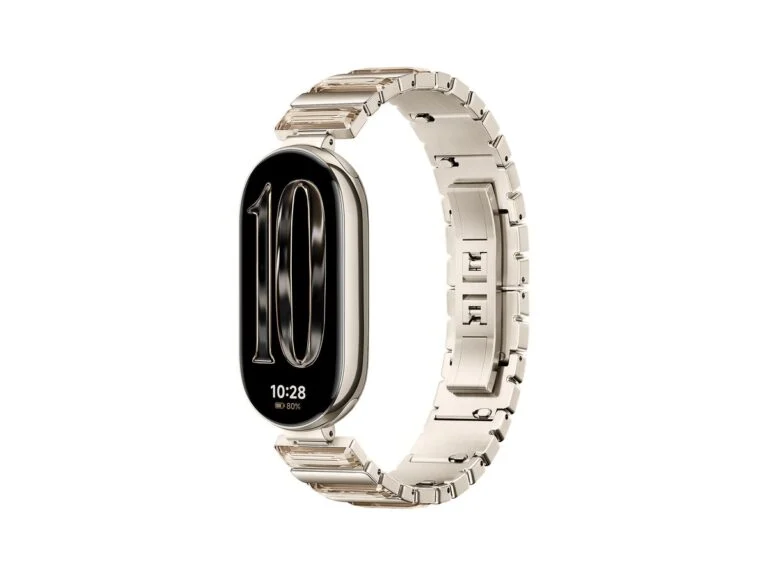
Xiaomi Smart Band 10
- Display
- 1.72-inch AMOLED, 212 × 520, up to 1,500 nits
- Battery life
- up to 21 days, up to 9 with the always-on display
- GPS
- none
- Sensors
- heart rate and SpO₂, accelerometer, gyroscope, compass
- Water resistance
- 5 ATM
- Weight
- 15.95 g without the strap
- App
- Mi Fitness
Android 8.0+iOS 14+
Price€49.99checked 22 September 2026
An affordable band for steps, sleep, heart rate and swimming, with a bright screen and up to three weeks between charges.
- Up to 21 days on a charge
- Bright 1.72-inch AMOLED display
- 150+ modes, underwater heart rate
- No built-in GPS
- NFC not listed in the specs
The Smart Band 10 is the most balanced band in this roundup. Its 1.72-inch display reaches 1,500 nits, so it stays readable in sunlight, and the battery lasts up to 21 days in typical use or up to 9 with the always-on display. For workouts there are more than 150 modes plus VO₂ max, training load and recovery time estimates, and in the pool the band counts laps and shows your heart rate underwater.
It can also broadcast your heart rate over Bluetooth to a bike computer — we looked at whether a bike computer is worth the money in a separate article. On September 22, the Xiaomi store in Germany sold the Smart Band 10 for €44.99 instead of the recommended €49.99. The band has no GPS of its own, and NFC for payments isn’t listed in the specs of the global version.
2. HUAWEI Band 11 Pro
Most affordable with GPSFitness tracker with GPS
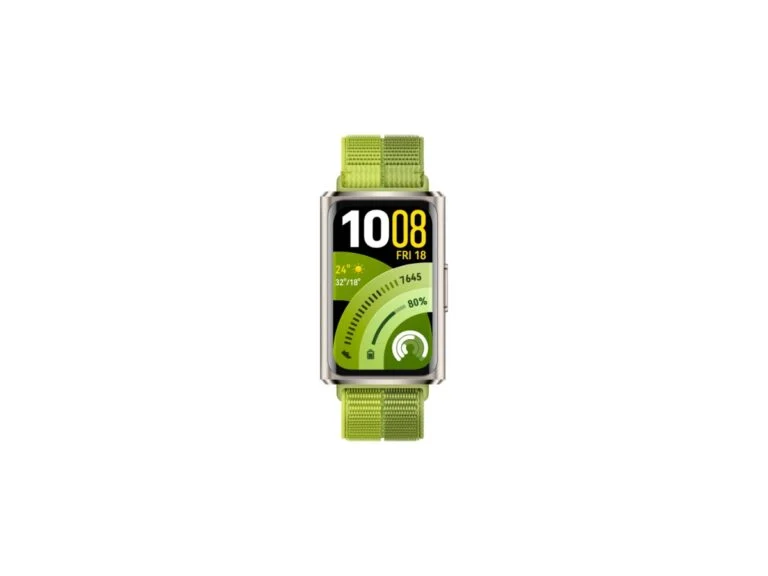
HUAWEI Band 11 Pro
- Display
- 1.62-inch AMOLED, 286 × 482, up to 2,000 nits
- Battery life
- up to 14 days, up to 8 with full monitoring, up to 3 with the always-on display
- GPS
- built-in GNSS
- Sensors
- heart rate and SpO₂, 9-axis motion sensor, ambient light sensor
- Water resistance
- 5 ATM
- Weight
- about 18 g without the strap
- App
- Huawei Health
Android 9.0+iOS 13.0+
Price€74.90checked 22 September 2026
The most affordable way to record runs and rides without your phone: built-in GNSS, a bright screen and running form analysis.
- Built-in GNSS for running and cycling
- Display up to 2,000 nits
- HRV during sleep and around the clock
- Up to 8 days with full monitoring
- Huawei Health isn’t on Google Play
The Band 11 Pro is the most affordable band in this roundup with its own satellite receiver (GNSS): it records distance, route and speed on runs and rides without your phone. The 1.62-inch display goes up to 2,000 nits, and the aluminum case is 8.99 mm thick. On runs, the band analyzes your form, such as ground contact time balance, and predicts your results across different distances.
Health features include HRV during sleep and around the clock, SpO₂ and alerts for possible atrial fibrillation (not in every country). With full monitoring, the band lasts up to 8 days, up to 14 at most and up to 3 with the always-on display. On September 22, the Huawei store in Germany sold it for €64.90 against a recommended price of €74.90. If you don’t need GPS, there’s the HUAWEI Band 11: a display of the same size but up to 1,500 nits, no GNSS, from €54.90.
3. Xiaomi Smart Band 10 Pro
Biggest displayFitness tracker with GPS
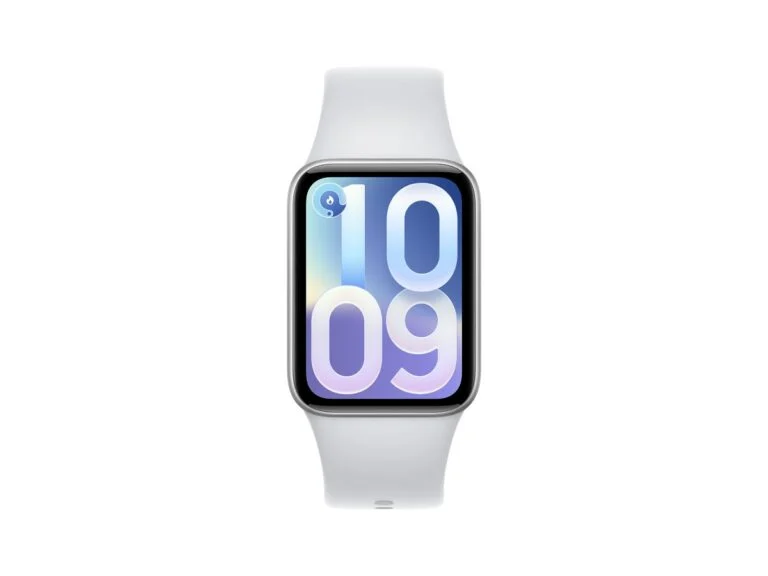
Xiaomi Smart Band 10 Pro
- Display
- 1.74-inch AMOLED, 480 × 336, up to 2,000 nits
- Battery life
- up to 21 days, up to 15 with full monitoring, up to 8 with the always-on display
- GPS
- GPS, GLONASS, BeiDou, Galileo, QZSS
- Sensors
- heart rate and SpO₂, accelerometer, gyroscope, compass
- Water resistance
- 5 ATM
- Weight
- 21.6 g without the strap
- App
- Mi Fitness
Android 8.0+iOS 14+
Price€79.99checked 22 September 2026
For anyone who wants built-in GPS and a big screen without frequent charging: up to 15 days even with full monitoring.
- Up to 15 days with full monitoring
- GNSS with five satellite systems
- Biggest display in this roundup
- Heavier than the Smart Band 10
- NFC only in a separate version
The Smart Band 10 Pro has the biggest display in this roundup: 1.74 inches, 480 × 336 pixels, up to 2,000 nits. Inside are its own GNSS receiver with support for GPS, GLONASS, BeiDou, Galileo and QZSS and a 350 mAh battery. According to Xiaomi, with round-the-clock heart rate, SpO₂, stress and detailed sleep tracking turned on, it lasts up to 15 days, and up to 21 in light use.
Workout modes, underwater heart rate and Bluetooth heart rate broadcasting are the same as on the Smart Band 10, plus sleep HRV and notifications from two phones at once: a Xiaomi phone and an iPhone. On September 22, the Xiaomi store in Germany sold the standard version for €69.99 instead of €79.99 and the ceramic one for €99.99. NFC payments are only available on the separate Smart Band 10 Pro NFC model and don’t work in every country.
4. Fitbit Charge 6
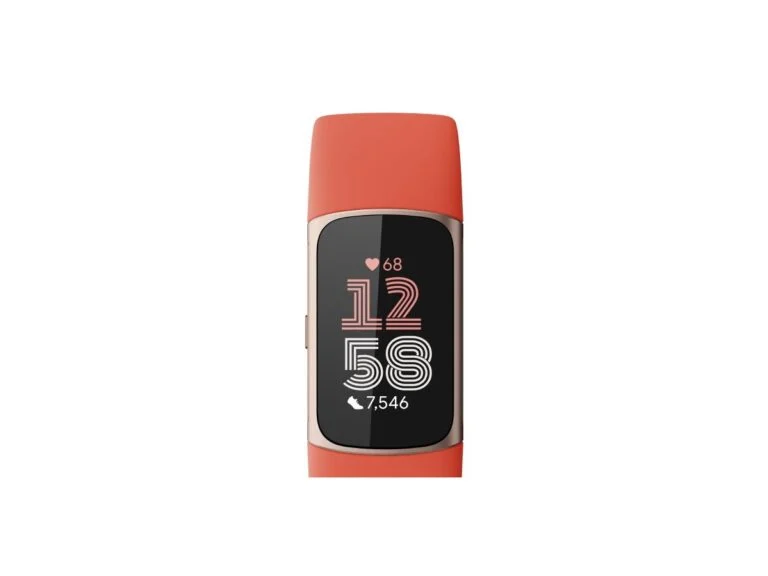
ECG, GPS and NFCFitness tracker
Fitbit Charge 6
- Display
- AMOLED, Gorilla Glass 3
- Battery life
- up to 7 days
- GPS
- built-in GPS + GLONASS
- Sensors
- heart rate, SpO₂, ECG and EDA, temperature
- Payments
- NFC, Google Wallet
- Water resistance
- 5 ATM
- Weight
- 30 g
- App
- Google Health
Android 11+iOS 16.4+
Price€159.95checked 22 September 2026
The only band in this roundup with ECG, built-in GPS and NFC all at once, plus Google Maps on your wrist.
- ECG and EDA sensor
- GPS + GLONASS and NFC payments
- Heart rate on gym equipment screens
- Up to 7 days of battery life
- A 2023 model
- ECG isn’t available in every country
The Charge 6 came out in 2023, but it’s still Google’s fitness band with a screen: the company sells it in its own store alongside the Fitbit Air. Google Maps and Google Wallet work right on your wrist, and you can show your heart rate on the screen of compatible gym equipment.
According to Google, during intense workouts like HIIT the Charge 6 measures heart rate up to 60% more accurately than other Fitbit trackers. The battery lasts up to 7 days — less than the Xiaomi and Huawei bands. ECG and irregular rhythm notifications aren’t available in every country, and setup requires a Google Account and the Google Health app.
5. Google Fitbit Air
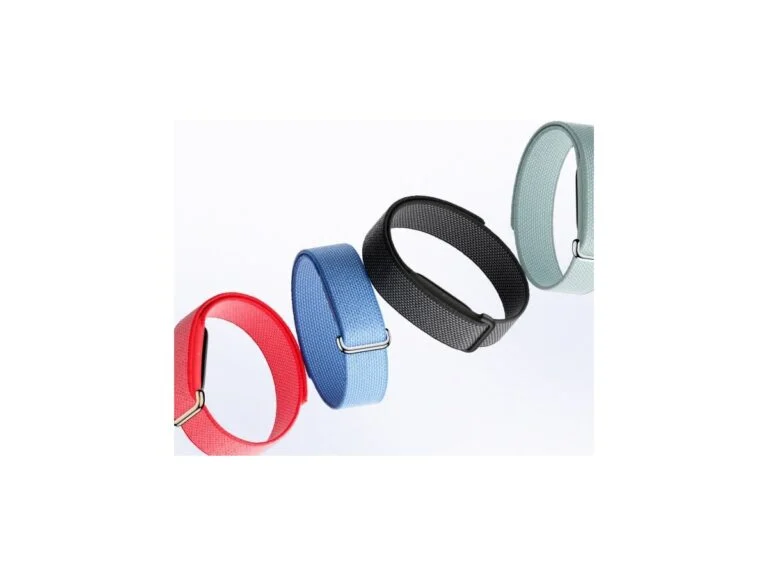
LightestScreenless tracker
Google Fitbit Air
- Display
- none
- Battery life
- up to 7 days, 5 minutes of charging gives a day
- GPS
- none
- Sensors
- heart rate, SpO₂, accelerometer, gyroscope, temperature
- Water resistance
- up to 50 m
- Weight
- 5.2 g without the band, 12 g with the band
- App
- Google Health
Android 11+iOS 16.4+
Price€99.99checked 22 September 2026
An unobtrusive tracker for sleep, heart rate and recovery: 12 g with the band and up to a week between charges.
- 12 g with the band
- 5 minutes of charging for a day of use
- Three months of Premium with purchase
- AI coach requires a €9.99 monthly subscription
- No display or GPS
Google introduced the Fitbit Air in May 2026. It’s a screenless pod that weighs 5.2 g, or 12 g with its fabric band; Google designed it to be worn all the time — at work, during workouts and while you sleep. All the data lives in the Google Health app: heart rate and resting heart rate, HRV, breathing rate, SpO₂, skin temperature variation and sleep.
While you’re still or asleep, the band monitors your heart rhythm and looks for signs of atrial fibrillation — this feature isn’t available in every country. A full charge takes 90 minutes, and 5 minutes gives you a day of use. The Gemini-based personal coach is part of Google Health Premium: three months free with purchase, then €9.99 a month.
6. Garmin CIRQA Smart Band
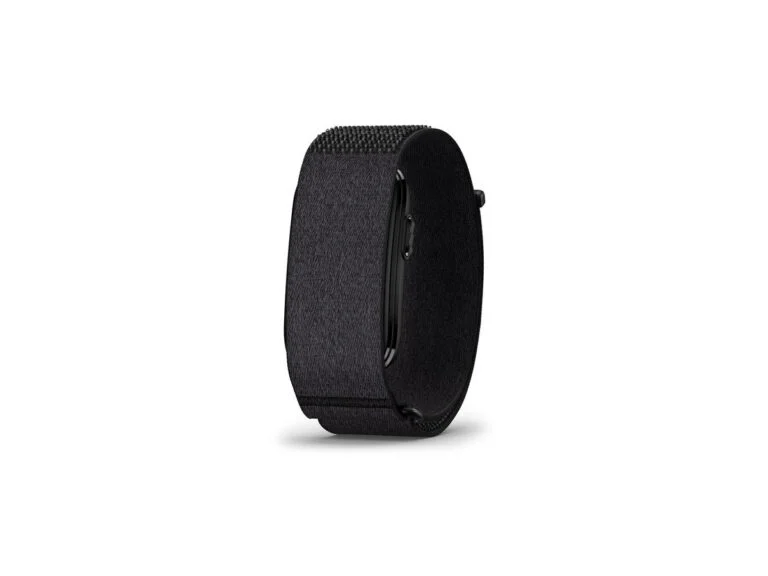
No screen, no subscriptionScreenless tracker
Garmin CIRQA Smart Band
- Display
- none, one button
- Battery life
- up to 10 days
- GPS
- via smartphone
- Sensors
- heart rate, Pulse Ox, accelerometer
- Metrics
- Body Battery, HRV status, VO₂ max, skin temperature
- Water resistance
- 5 ATM
- Weight
- 14.8 g module, 20.7–21.2 g with the band
- App
- Garmin Connect
AndroidiOS
Price€199.99checked 22 September 2026
For anyone who wants Garmin’s analytics — Body Battery, HRV status, training readiness — without a screen or a mandatory subscription.
- Garmin recovery metrics at no extra cost
- Up to 10 days of battery life
- Broadcasts heart rate over ANT+ and Bluetooth
- Most expensive in this roundup
- Training plans only with Connect+
- Long wait for delivery
The CIRQA is Garmin’s first screenless band, announced on July 21, 2026. In Garmin’s official German store, the shipping estimate on September 22 was 3–4 months. It detects workouts automatically or starts them with a press of its single button — more than 80 activity types in total — and shows the data in Garmin Connect: Body Battery, HRV status, training readiness, VO₂ max, stress and sleep score. You don’t need a subscription for any of that; the paid Garmin Connect+ adds workouts and coached training plans.
You can wear the band on your wrist or your upper arm; the upper arm band is sold separately. It broadcasts heart rate over ANT+ and Bluetooth to a bike computer or a watch. The downside is the wait: on September 22, Garmin’s store in Germany quoted a shipping time of about 3–4 months. If you want a screen and built-in GPS, see which Garmin watch is better for what you do.
7. Xiaomi Smart Band 11 Active
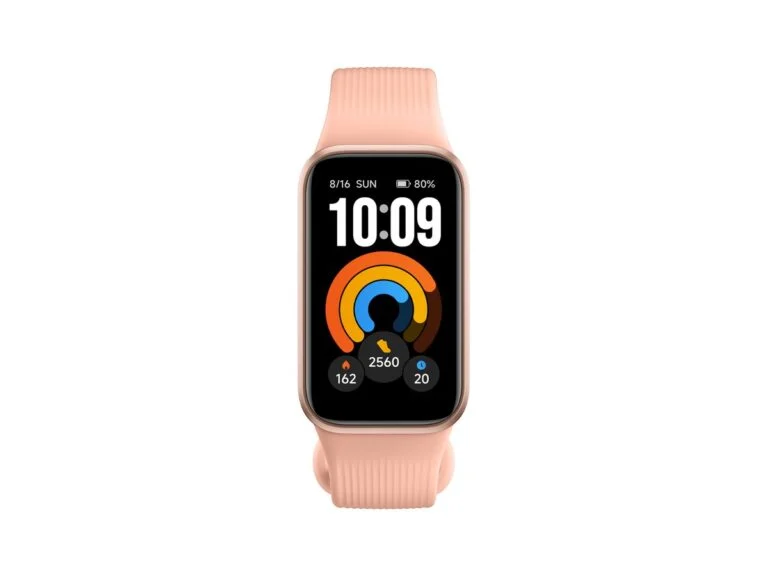
CheapestFitness tracker
Xiaomi Smart Band 11 Active
- Display
- 1.47-inch TFT, 172 × 320, 60 Hz
- Battery life
- up to 21 days, up to 8 with full monitoring
- GPS
- none
- Sensors
- heart rate and SpO₂, accelerometer
- Water resistance
- 5 ATM
- Weight
- 18 g without the strap
- App
- Mi Fitness
Android 8.0+iOS 14+
Price€32.99checked 22 September 2026
The simplest way to track steps, sleep and heart rate: up to three weeks between charges for €32.99.
- Lowest price in this roundup
- Up to 21 days on a charge
- 50 workout modes
- TFT display instead of AMOLED
- Xiaomi doesn’t promise a swim mode
The Smart Band 11 Active is the cheapest band in this roundup: €32.99 in the Xiaomi store in Germany on September 22. It tracks steps, sleep, heart rate, SpO₂ and stress, supports 50 workout modes and lasts up to 21 days in light use or up to 8 days with full monitoring.
The savings show in the display: it’s a 1.47-inch TFT panel, not AMOLED. The band is rated 5 ATM, but Xiaomi doesn’t promise a swim mode. If you can spend €12–17 more, get the Smart Band 10 instead.
Comparison
| Model | Best for | Key strength | Price |
|---|---|---|---|
| Xiaomi Smart Band 10 | Most people | AMOLED and up to 21 days | €49.99 |
| HUAWEI Band 11 Pro | Running and cycling without a phone | Built-in GNSS, 2,000-nit display | €74.90 |
| Xiaomi Smart Band 10 Pro | People who hate charging | GNSS, up to 15 days with monitoring | €79.99 |
| Fitbit Charge 6 | Health tracking and payments | ECG, GPS and NFC | €159.95 |
| Google Fitbit Air | Sleep and screen-free wear | 12 g with the band | €99.99 |
| Garmin CIRQA Smart Band | Training and recovery | Garmin metrics, no subscription | €199.99 |
| Xiaomi Smart Band 11 Active | Tight budgets | Up to 21 days on a charge | €32.99 |
What didn’t make the list and why
These models often show up in other roundups, but as of September 22, 2026, you either can’t buy them from an official store or they lose out to the bands above:
- Samsung Galaxy Fit3 (2024) — Samsung’s official store in Ukraine has it out of stock, and the UK and German stores list no price. Samsung hasn’t officially announced a Galaxy Fit4.
- Xiaomi Smart Band 11 — launched only in China in September 2026 and isn’t on Xiaomi’s global website yet.
- Honor Band 11 and Band 11 Pro — sold only in China. Last year’s Honor Band 10 is out of stock in Honor’s stores in Germany and the UK.
- Amazfit — there’s no band with a screen in its current lineup, and the screenless Helio Strap is sold out in Amazfit’s German store.
- Garmin vívosmart 5 (2022) — Garmin still sells it, but it lasts up to 7 days and has no GPS of its own. The CIRQA is newer and runs up to 10 days on a charge.
- WHOOP 5.0 and WHOOP MG — sold only with a membership: from $199 a year on WHOOP’s US website.
- Apple — doesn’t make fitness bands, only the Apple Watch smartwatch.
How to choose a fitness tracker
- Display. AMOLED has better contrast than TFT, and in sunlight brightness is what counts: the AMOLED bands from Xiaomi and Huawei here reach 1,500 to 2,000 nits. Screenless bands show data only in the app, but they’re lighter.
- GPS. You need a built-in receiver if you run or ride without your phone: the HUAWEI Band 11 Pro, Xiaomi Smart Band 10 Pro and Fitbit Charge 6 have one. Without it, a band estimates distance from your steps and records an accurate route only together with your phone, if its app supports that. For race training, a watch is more convenient — see our roundup of the best GPS running watches.
- Sensors. All seven models track heart rate, SpO₂ and sleep. HRV helps you judge whether you’ve recovered from a workout, ECG is only on the Charge 6 here, and skin temperature changes are shown by the Charge 6, Fitbit Air and CIRQA.
- Battery life. Makers quote their biggest numbers for light use. Compare battery life with full monitoring instead: up to 15 days for the Smart Band 10 Pro, up to 8 for the HUAWEI Band 11 Pro and Smart Band 11 Active. The always-on display drains the battery the most: with it, the Band 11 Pro lasts up to 3 days.
- Water. 5 ATM, or 50 meters, means the pool, the sea near the shore and rain. Hot showers, saunas and diving are off-limits for bands with this rating, and water resistance decreases over time.
- App. Mi Fitness and Garmin Connect install from Google Play and the App Store. Huawei Health isn’t on Google Play: on Android, you download it from Huawei’s website. For Fitbit, you need a Google Account and the Google Health app on Android 11 or iOS 16.4 or later.
- Subscription. Core features are free on all seven models. You pay for the Gemini-based coach in Google Health Premium (€9.99 a month after three free months) and for workouts with training plans in Garmin Connect+.
- Price and where to buy. Prices in this article come from official stores in Germany; they differ in other countries. There’s no official Google Store in Ukraine: the country isn’t on its list of regions.
Sources and methodology
Analysis of public sourcesChecked 22 September 2026
- Xiaomi — Smart Band 10 specs mi.com
- Huawei — Band 11 Pro specs consumer.huawei.com
- Google Store — Fitbit Air tech specs store.google.com
- Garmin — CIRQA Smart Band garmin.com
- Prices — official Xiaomi, Huawei, Google and Garmin stores in Germany
FAQ
Which fitness tracker should I buy in 2026?
For most people, the Xiaomi Smart Band 10: a 1.72-inch AMOLED display, up to 21 days of battery life and a recommended price of €49.99. If you need built-in GPS, get the HUAWEI Band 11 Pro; for ECG and NFC, the Fitbit Charge 6.
What’s the best budget fitness tracker?
The cheapest in this roundup is the Xiaomi Smart Band 11 Active at €32.99, but it has a TFT display. For €44.99–49.99, the Smart Band 10 gives you AMOLED, underwater heart rate and more than 150 workout modes.
How is a fitness tracker different from a smartwatch?
A band has a smaller screen or none at all and fewer features and apps, but it’s lighter and lasts longer. For example, the Fitbit Charge 6 runs up to 7 days on a charge, while the Google Pixel Watch 5 lasts up to 40 hours with the always-on display.
Can a fitness tracker measure blood pressure?
The bands in this roundup can’t: none of them lists a blood pressure sensor. For that, you need a blood pressure monitor or a watch with an inflatable cuff in the strap, such as the HUAWEI WATCH D3, which is certified in the EU as a medical device.
Can you swim with a fitness tracker?
With the models in this roundup, yes: all are rated 5 ATM or up to 50 meters. The Xiaomi Smart Band 10 and 10 Pro show your heart rate underwater, while for the Smart Band 11 Active Xiaomi doesn’t promise a swim mode. Hot showers, saunas and diving are off-limits for all of them.



Leave a Reply