

The main difference between MTPL and CASCO is who the policy protects. MTPL (compulsory motor third-party liability insurance, called OSTsPV in Ukrainian law and avtotsyvilka or OSAGO in everyday speech) is required for every vehicle and pays the people you harm in a crash. CASCO is voluntary insurance for your own car: it pays for repairs or theft even if the accident was your fault.
Below are Ukraine’s rules as of September 2026: what Law No. 3720-IX changed, the current payout limits, how electronic policies and the Green Card work, what CASCO usually covers and when claims get denied. Other countries have their own laws, so the figures here don’t apply to them.
| Criterion | MTPL (OSTsPV) | CASCO |
|---|---|---|
| Mandatory | Required for every vehicle | Voluntary |
| Who it protects | Victims of accidents you cause | Your car |
| Your own repairs if you’re at fault | Not covered | Covered |
| Theft, natural disasters, vandalism | Not covered | If the risk is in the policy |
| Maximum payout | UAH 250,000 for property and UAH 500,000 for health per person | Sum insured in the policy |
| Deductible | Banned by law | Set by the policy |
| Price | Set by the insurer, may reflect your accident history | Set by the insurer, depends on risks and deductible |
| Where it’s valid | Ukraine only | Territory named in the policy |
| Fine for not having it | UAH 425 | None |
| Best for | Everyone: you can’t drive without it | New drivers, financed cars, frequent drivers |
What MTPL (OSTsPV) is in Ukraine
Since January 1, 2025, compulsory motor third-party liability insurance has been governed by Law No. 3720-IX of May 21, 2024, which replaced a 2004 law. The policy covers harm your vehicle causes to others: people’s lives and health, their cars and belongings, and roads, road structures and traffic control devices.
The contract is taken out for a specific vehicle, and it covers the liability of anyone who uses that vehicle legally, except a thief. A domestic contract is valid only in Ukraine and runs for six months or a year; shorter terms are allowed only for unregistered vehicles and cars with foreign registration. The premium is paid once, in full.
State-set rates are gone: each insurer prices policies using its own methodology and may take into account accidents you caused. Deductibles are banned in MTPL, so the insurer can’t hold back any “own share” of a victim’s payout.
Combat veterans, pensioners and several other groups get a 50% discount. The conditions: an engine of up to 2,500 cc or an electric motor of up to 100 kW, only the owner (or someone from the same eligible group) drives, and the car isn’t used to carry passengers or cargo for pay.
All MTPL insurers belong to the Motor (Transport) Insurance Bureau of Ukraine, MTIBU. It runs the single database of contracts, represents Ukraine in the Green Card system and pays victims when the at-fault driver has no policy or their insurer can’t pay. The insurance companies themselves are licensed and supervised by the National Bank of Ukraine (NBU).
Payout limits in 2026
The law calls the most an insurer will pay for one accident the sum insured. For contracts taken out in 2026, the amounts are as follows, and MTIBU cites the same figures:
| Harm | Per victim, UAH | Per accident, total, UAH |
|---|---|---|
| Property: cars, belongings, roads | 250,000 | 1,250,000 |
| Life and health | 500,000 | 5,000,000 |
The law provides for increases, to UAH 1 million for harm to one person’s health and UAH 2 million for property in one accident, but not before January 1 of the year after martial law ends. If the damage exceeds the limit, the at-fault driver pays the victim the difference (Article 1194 of the Civil Code).
What MTPL doesn’t cover
The law lists the cases in which no payout is made. The main ones:
- the at-fault driver’s own health, car and belongings in it;
- damage from war, terrorist attacks, natural disasters, fire or explosions not related to a traffic accident;
- cash, jewelry, antiques, documents and collectibles;
- loss of the car’s market value and lost profits;
- the at-fault driver’s fines and court costs, plus anything above the limit.
Theft, hail or a tree falling on your car aren’t covered by MTPL either. Only CASCO covers those risks, and only if they’re in the policy.
Electronic policies and fines
Since January 1, 2026, domestic MTPL contracts have been concluded only in electronic form. The insurer enters the contract into MTIBU’s Unified Centralized Database, and it takes effect no earlier than that entry. You can check a policy for free at policy.mtsbu.ua by contract number or license plate.
Article 126 of the Code of Administrative Offenses sets a fine of 25 non-taxable minimum incomes, or UAH 425, for not having or not presenting a valid contract. You don’t need to carry a paper form, but keep the policy on your phone: an electronic contract shown in the visual form of a policy counts too.
The bigger risk of driving uninsured isn’t the fine. If the at-fault driver had no MTPL, MTIBU pays the victims from its fund and then recovers the full amount from that driver.
If the car is sold
Selling the car doesn’t end the MTPL contract: it stays valid until it expires, and the policyholder’s rights pass to the new owner. The buyer must notify the insurer in writing within 15 calendar days and provide their details.
What CASCO is
CASCO is voluntary insurance of the car itself; in the Law “On Insurance” it’s class 3, insurance of land vehicles. The law doesn’t require it: whether to buy it is up to the owner. At the same time, CASCO doesn’t replace MTPL and doesn’t cover your liability to other people.
Under CASCO, only events listed in the policy count as insured events. The list usually includes:
- accidents, including ones you cause;
- theft;
- vandalism and other unlawful acts, such as smashed windows or stolen parts;
- natural events: hail, hurricanes, downpours, floods, lightning strikes;
- fire, explosion and spontaneous combustion;
- stones thrown up by wheels, falling trees and other objects, animal attacks.
Full CASCO covers all of these risks; partial CASCO covers only the ones you choose. Partial coverage is cheaper, but the insurer’s liability is lower too: for example, depreciation may be applied when the payout is calculated. CASCO will pay for damage from shelling only if that risk is expressly listed in the policy.
The payout is capped at the sum insured, which is usually the car’s market value when the policy is taken out. Each insurer sets its own price based on the risks covered, the deductible and the payout terms. Before buying, check the NBU register to confirm the company is licensed for class 3.
The CASCO deductible
A deductible is the part of a loss the insurer doesn’t pay; that’s how the Law “On Insurance” defines it. CASCO policies usually have several deductibles for different risks: it may be zero for accidents and up to 10% of the sum insured for theft.
The higher the deductible, the cheaper the policy, but you’ll pay for minor damage yourself. The NBU’s example: a 1% deductible on a UAH 100,000 sum insured is UAH 1,000, which is subtracted from every payout, and a loss smaller than that isn’t paid at all.
When CASCO claims are denied
Grounds for denial are set out in the insurance rules, so read them before you sign. Common reasons cited by the NBU include:
- driving without a license or while intoxicated;
- leaving the scene of an accident;
- using the car as a taxi or for other commercial purposes not stated in the policy;
- the policyholder damaging the car on purpose;
- driving a faulty car if that directly affected the insured event;
- corrosion, rot and other natural processes;
- documents filed late or not at all.
Also check the wording on theft: some insurers pay only if the car was stolen from a parking lot or garage. Find out in advance how quickly you must report an event, whether depreciation will be taken into account and where the car will be repaired: at a shop that works with the insurer or one you choose.
CASCO and car loans
When a car is bought on credit, the bank may offer CASCO to protect its collateral, and refusing the insurance can be grounds for turning down the loan. Under the Law “On Pledge,” pledged property is insured by agreement of the parties and on terms they agree on. The bank must let you choose an insurer from the list of companies it works with.
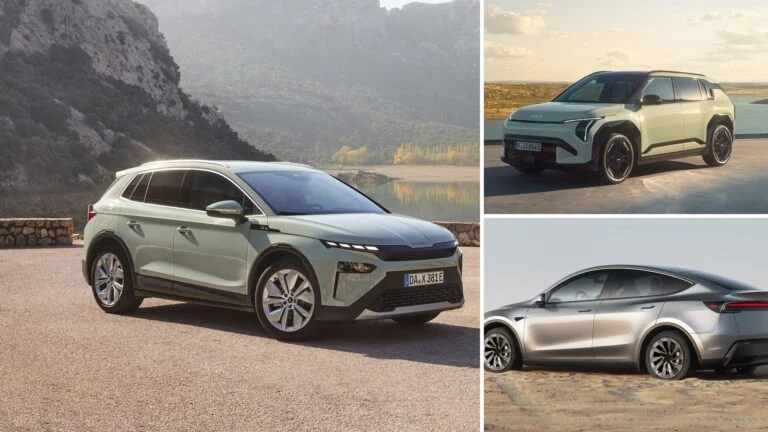
If you’re still choosing a car, see our roundup of the best cars of 2026 and budget for CASCO from the start.
MTPL vs. CASCO in practice: who pays after a crash
The same accident can end in a payout under MTPL, under CASCO or from MTIBU’s fund. It all depends on who is at fault, which policies are in place and which risks the policy covers.
| Situation | MTPL | CASCO |
|---|---|---|
| Another driver with a policy is at fault | Their insurer pays for your repairs, or yours does via direct settlement | You can claim under CASCO; your insurer then recovers from the at-fault driver |
| You’re at fault | Pays the victims, not your repairs | Pays for your repairs |
| The at-fault driver has no policy | MTIBU or your own insurer pays if your car has a policy | CASCO payout |
| The at-fault driver fled | MTIBU covers harm to health; the car only in severe cases | CASCO pays for repairs |
| Theft, hail, a fallen tree | Not covered | Covered if the risk is in the policy |
| The at-fault driver was drunk or unlicensed | Victims get paid; the money is then recovered from the driver | A common reason to deny the at-fault driver |
| Accident abroad | Not valid; you need a Green Card | If the country is within the policy’s territory |
Direct settlement is available if only two vehicles were involved, yours has a valid MTPL policy and your loss is only damage to the car. You can then file the claim with your own insurer rather than the at-fault driver’s. You have to pick one: once you apply to one insurer, you lose the right to be paid by the other.
If the at-fault driver has no policy and you have CASCO, MTIBU pays only the part of the loss your policy didn’t cover. And if you don’t have MTPL either, MTIBU won’t pay for your car.
What to do after a crash: MTPL deadlines
CASCO deadlines are set by your policy; MTPL deadlines are set by law. Here is the order:
- Document the accident: call the police or fill out a European accident report (Europrotocol). It’s allowed if two cars with valid policies collided, no one was hurt, both drivers are sober and they agree on what happened. You can complete it on paper or online with MTIBU’s e-Europrotocol service.
- Notify your insurer of the accident within three business days.
- Don’t repair the car before the inspection: the insurer must inspect it within 10 business days of being notified.
- File a claim: within one year for property damage and within three years for harm to life and health.
- Wait for the decision: the insurer must decide within 60 days of receiving all documents (up to 90 days if expert examinations are needed) and pay within three business days of the decision.
The Europrotocol no longer has a separate cap (it used to be UAH 80,000): payouts are made within the same UAH 250,000 per victim.
The insurer pays for repairs directly to a repair shop from its list. It must offer at least three shops within 150 km of your home or the car; otherwise, you can choose a shop yourself. If you ask for cash to your account instead of a repair, the payout is reduced by the VAT amount.
For cars up to five years old or under warranty, the estimate uses new manufacturer-approved parts with no deduction for wear, and at the owner’s request the insurer must send the car to the brand’s authorized service center. For older cars, the estimate may use equivalent non-original parts.
Green Card: insurance for driving abroad
A Ukrainian MTPL policy isn’t valid abroad. To drive your car to a Green Card country (there are more than 40, listed on MTIBU’s website), you need an international insurance contract. Without one, border guards won’t let the car leave.
Green Cards are issued by insurers that are full members of MTIBU, including online. The contract takes effect no earlier than the start of the day after it’s issued, so buy it at least a day before your trip. Terms run from 15 days to a year, and victims abroad are compensated under the laws of the country where the accident happened.
CASCO works abroad only if the country is within the policy’s territory. If you repair the car abroad yourself, keep the repair shop’s work report and receipts: you’ll need them for the payout.
Sources and methodology
Analysis of public sourcesChecked 22 September 2026
- Law of Ukraine No. 3720-IX on compulsory motor third-party liability insurance zakon.rada.gov.ua
- Code of Administrative Offenses of Ukraine, Article 126 zakon.rada.gov.ua
- MTIBU: what MTPL insurance is mtsbu.ua
- NBU, Harazd portal: the new MTPL law harazd.bank.gov.ua
- NBU, Harazd portal: what to check in a CASCO contract harazd.bank.gov.ua
FAQ
Can I drive with only CASCO and no MTPL?
No. CASCO insures your car, not your liability to others, so you always need an MTPL contract. Driving without one carries a UAH 425 fine, and if you cause an accident, MTIBU will pay the victims and recover the money from you.
Will MTPL pay to repair my car if I’m at fault?
No. The law expressly excludes damage to the at-fault driver’s car, their health and belongings inside. Only CASCO covers those costs.
Does MTPL have a deductible in 2026?
No. Since 2025, Law No. 3720-IX has banned deductibles in MTPL contracts. In CASCO, the deductible is still set by the policy.
Do I need to carry a paper MTPL policy?
No. Since 2026, contracts have been concluded only electronically, and their existence is checked against MTIBU’s database. But keep the policy on your phone: Article 126 of the Code of Administrative Offenses also fines drivers who fail to present the contract.
Who pays if the at-fault driver flees?
If the driver isn’t found, MTIBU compensates harm to life and health, but damage to the car only if the victim died or suffered a permanent loss of working capacity. CASCO will pay to repair your car in that situation if the policy covers that risk.







Leave a Reply