
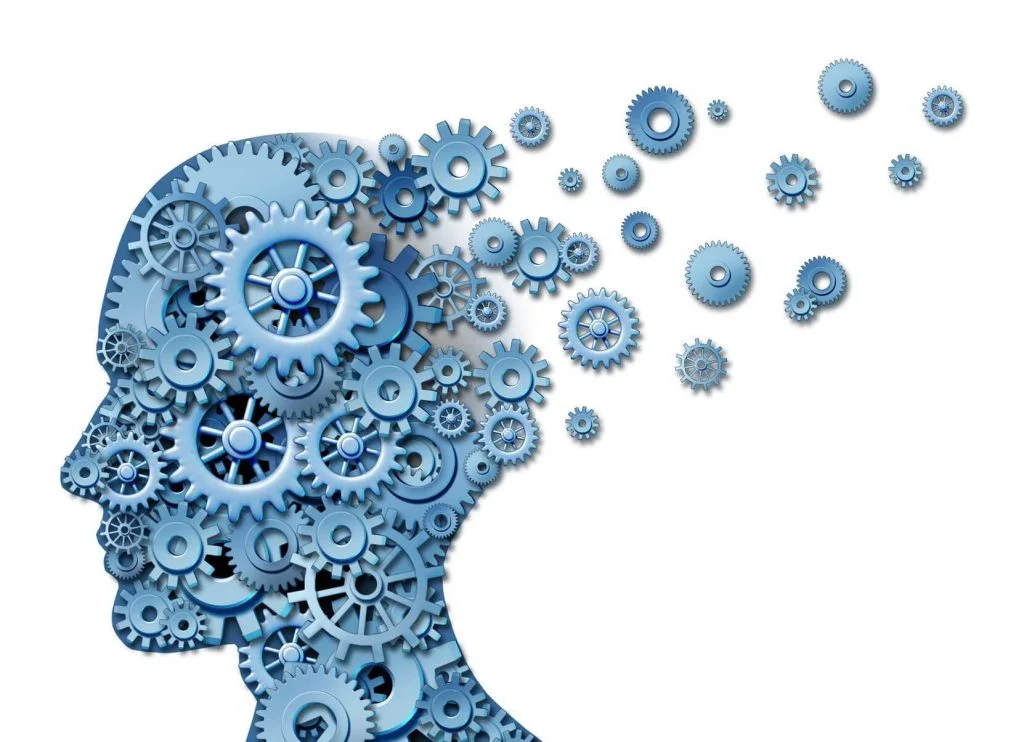
More than 4 million blog posts are published every day. That is an enormous amount of information, and it keeps growing. Although most people will not read that many blogs, they still consume a large amount of information.
Information comes not only from blogs but also from social media and the news. This does not change the fact that we receive more information than ever before. Some people call the problems caused by this growth in data volume information overload. There are many strategies that can help ease its effects, but what are we doing wrong? Perhaps the problem is that we do not know how to organize information.
I believe this is connected to our own behavior around information. This, in turn, explains why we need to organize data and find effective methods for doing so.
Although there is nothing wrong with a large volume of available information, we need to decide how exactly to use it. In many cases, people do not show self-discipline or try to learn how to organize information. This fact, along with other reasons, explains why it matters so much.
We Have Gotten Hooked on Consuming Information
The fact that more and more information is published online every day is not a problem in itself. The problem arises when it comes to quality information. The volume of quality content on the internet is now so vast that it is practically impossible to digest all of it. Yet we keep trying to do so anyway.
This creates a situation in which we constantly take in information because “we need to know this,” even if we never apply it in our lives.
This behavior is similar to attending seminars run by motivational speakers or thought leaders. People leave these seminars and almost never put what they have learned into practice. Consuming information is not much different.
Too Much Information Creates Clutter
Some time ago I described a scenario in which you are reading a book on a bus. Suddenly someone sits down next to you and starts a loud personal conversation. Even if you are just a casual listener, it is still information that can create clutter. It is like the distractions on your desk that keep you from doing productive work.
Another aspect is that clutter can build up from accumulated information. For example, reading several articles on the same topic can create confusion.
Which Information Matters?
One article claims that something is important, while another says it does not matter. Which information should be considered important here? What information do we need to absorb and apply?
Ultimately, information creates noise, and it can be hard to organize it according to our feelings and current needs.
How to Organize Information Effectively

If you have a plan, you can organize information easily. There are many tactics that will help you do this in the best way.
But the most important thing is how much information we consume. We have full control over our information diet and how we organize it.
1. The LATCH Principle
An effective method is a principle developed by Richard Saul Wurman in 1996. In his book “Information Architects,” he took the existing theory of the “five hat racks” and formulated the LATCH principle.
What does this mean? Wurman explains:
“Information can be infinite, yet the organization of information is finite, because it can only be organized by LATCH: Location, Alphabet, Time, Category, or Hierarchy.”
This method is designed to organize information in a broader sense. It helps us manage our information diet better.
According to Wurman, this is the best method for organizing information, because he has tested it many times. Each time he tried something new, he went straight to one of these five methods.
Although Wurman may be biased, since he created this principle, it really works. I confirm this for two key reasons:
First, in order to organize something, you must first get rid of unnecessary things. Clutter creates a lot of noise and distracts us from our current goals and priorities in life.
Second, organization relieves a lot of anxiety. Proper organization requires a method or system. It will not be effective organization without a method for sorting things.
This is where LATCH comes in. This principle offers five methods for organizing any information in our lives:
- Location: Used to point to what is relevant and to show relationships between things.
- Alphabet: Arranges information in alphabetical order. Useful when compiling lists of people, statistics, or industry jargon glossaries.
- Time: Great for scheduling meetings and organizing projects. Good to use when giving step-by-step instructions or arranging things chronologically.
- Category: Organizes information by similarity or relatedness. Used to create lists of collections.
- Hierarchy: Used to compare things. Applied when rating sizes or the quality of products or services.
Although in most situations we use several methods, the LATCH principle is the best way to organize information.
2. Mind Maps
Mind maps are a method of capturing thoughts and organizing them visually. The idea of mind mapping is to create a detailed to-do list. This encourages long-term thinking and helps organize important information.
Mind maps help fight information overload because they provide a way to evaluate information. If information fits your goals and wishes, write it down. If not, get rid of it.
3. Create Lists
Use sticky notes or a notepad to create to-do lists. Draw up a list of tasks every day and organize the most important ones. Lists help organize the work you need to do and give you a sense of control over your time.
4. Create Collections
Like lists, collections are worth creating too. Group your notes into specific sets of information. For example, if you have a lot of information about business ideas, put it in a separate document. Keep information on different topics separate.
5. Prioritize Key Information
Blog posts often contain a lot of important information. If you consume a lot of information, it will be hard to manage its volume. Summarize information and create lists of key points you can refer back to later.
Ultimately, these methods will help you organize and manage information effectively while keeping it important and relevant.
Conclusions
In a world where we tend to accumulate information, there is a risk of getting distracted and drifting away from our true priorities. We often get swept up in a flood of data, forgetting what really matters to us.
Understanding how to organize information better lets us get rid of unnecessary clutter and focus on what truly matters to our lives. This not only frees us from excess noise but also helps us pay more attention to the things that matter most.
When we start to organize information and our behavior, we gain more control over our lives and over what we allow into them. Organizing information helps us make more conscious decisions and manage our time and resources better. It lets us build more meaningful and productive days, focusing on what really matters and reducing the stress linked to information overload.
Thus, mastering methods of organizing information is not just a matter of order in your affairs, but also a path to better managing your life and achieving your long-term goals.











Leave a Reply