

Does every meal leave you feeling bloated and gassy? Or does it happen unexpectedly, with no obvious cause?
Either way, you probably need to find a solution to get rid of these uncomfortable feelings.
There are many causes of gas and bloating, and most of them are related to the state of your gut.
What Causes Bloating?
Conditions such as inflammatory bowel disease (including Crohn’s disease and ulcerative colitis) and celiac disease are serious causes of stomach and intestinal bloating.
A sluggish gut can also be the cause, especially if it leads to chronic constipation. When the bowels empty infrequently, the belly can become excessively “full.” Bloating can also be caused by gastroparesis, the slowed emptying of food from the stomach into the small intestine, which is often linked to low stomach acid levels.
Most often, the culprit is the wrong gut bacteria. When “bad” bacteria overpower the “good” ones, dysbiosis develops. If left untreated, this can lead to small intestinal bacterial overgrowth (SIBO) or excessive growth of Candida yeast.
SIBO occurs when bacteria from one part of the digestive tract enter the small intestine, or when the small intestine’s natural bacteria get out of control. This bacterial imbalance can cause bloating, diarrhea, and pain.
Similarly, excessive growth of Candida albicans can lead to gas and bloating. These yeasts normally live in the gut naturally, but when they get out of control, they can damage normal digestive function.
Some foods can cause allergies or intolerances. Wheat and dairy often cause bloating, as do fructo-oligosaccharides (FODMAPs) found in onions, garlic, apples, and other foods.
Of course, there are times when it is hard to avoid certain foods. For example, you know that beans and spices give you stomach pain, but your boss has planned lunch at a Mexican restaurant, or you cannot tolerate dairy, but your best friend gave you a box of chocolates for your birthday.
In such cases, it helps to know that relief can come from a simple cup of tea!
7 Best Teas for Reducing Gas
There are many amazing medicinal herbs that can be brewed into a tea for gas. Drinking these teas throughout the day can help ease pain and discomfort from digestive problems.
1. Peppermint Tea

Peppermint is an amazing herb that has been used for centuries to treat various digestive problems, thanks to its active ingredient, menthol.
Menthol is what gives peppermint its characteristic minty flavor. In addition, menthol has remarkable anti-inflammatory properties that help reduce inflammation. Thanks to these properties, peppermint tea can soothe the stomach discomfort that causes bloating and gas.
Research shows that peppermint tea has strong antispasmodic properties, which means it helps relax the intestinal muscles. This eases the unpleasant sensations of intestinal gas and bloating.
Studies also confirm that peppermint tea has a painkilling effect that helps relieve the discomfort associated with bloating.
2. Ginger Tea

Ginger tea is made from the rhizome of the ginger plant. This drink has a spicy, warming aroma that both stimulates and nourishes.
Ginger is a powerful anti-nausea remedy, meaning it helps reduce feelings of nausea and stomach upset. For hundreds of years, ginger has been used as a home remedy for vomiting, stomach upset, and even morning sickness.
Fresh ginger tea is especially effective for calming a bloated stomach for gas relief, thanks to its anti-inflammatory and carminative properties. These properties make it especially useful for irritable bowel syndrome (IBS).
Studies also show that ginger tea helps the digestive system empty more quickly and efficiently, which helps prevent the feeling of being “stuffed” after eating.
3. Chamomile Tea

This gentle tea is known for its ability to soothe an inflamed stomach while lifting your mood, which makes it a complete tea for gas! Made by steeping chamomile flowers in hot water, chamomile tea has a natural calming effect on the body and mind. It may also help reduce water retention in the body and improve overall well-being.
Research shows that chamomile is especially helpful for irritable bowel syndrome, as it helps calm the digestive tract and relax the abdominal muscles. It is also effective in fighting bloating caused by foods containing lactose.
Regular consumption of chamomile tea can improve sleep quality and promote relaxation. This is because chamomile acts at the chemical level, increasing the activity of GABA receptors in the nervous system, which helps improve mood.
Also read: tea for better sleep
4. Green Tea

Among its many healing properties, green tea is a fantastic digestive aid. In fact, it may be one of the best teas for your gut, thanks to its high content of catechins and antioxidants. These catechins are not only powerful scavengers of free radicals (which can damage cells), they also help calm the muscles of the gastrointestinal tract.
Green tea can also help eliminate gas buildup in the intestines, which reduces bloating in your belly. In addition, green tea helps your digestive system work more efficiently by stimulating the enzymes your body needs to break down food properly.
5. Hibiscus Tea
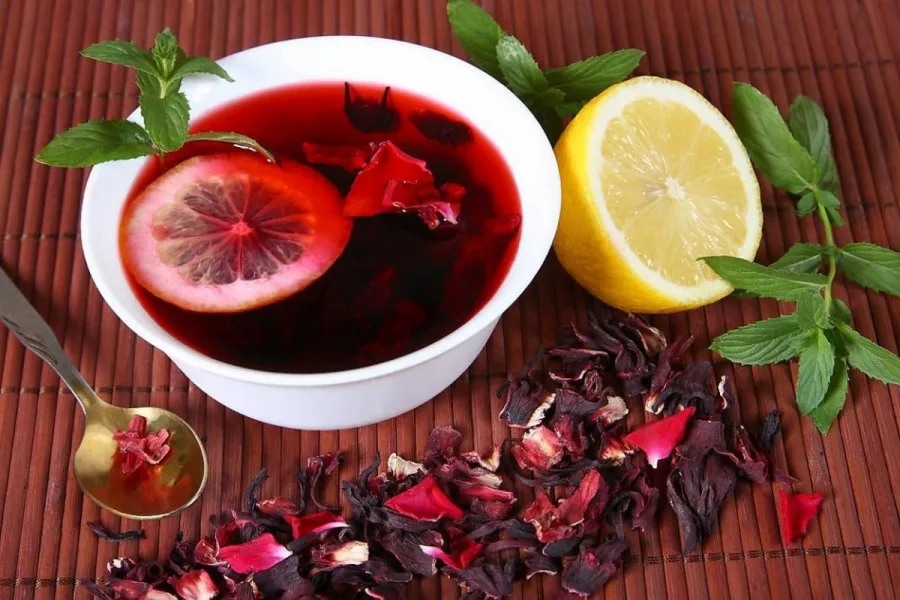
We tend to think of hibiscus as simply a beautiful flower, but it is also an excellent digestive tonic. It is made by steeping bright hibiscus petals in boiling water. The result is an aromatic, caffeine-free tea with a distinctive taste. Some say it even has hints of cranberry!
The best thing about hibiscus tea is that it helps balance hormones. This can reduce water retention and relieve bloating, especially at certain times of the month.
The high flavonoid content of hibiscus tea also helps modulate aldosterone, a hormone responsible for regulating water intake and electrolyte levels.
6. Fennel Tea
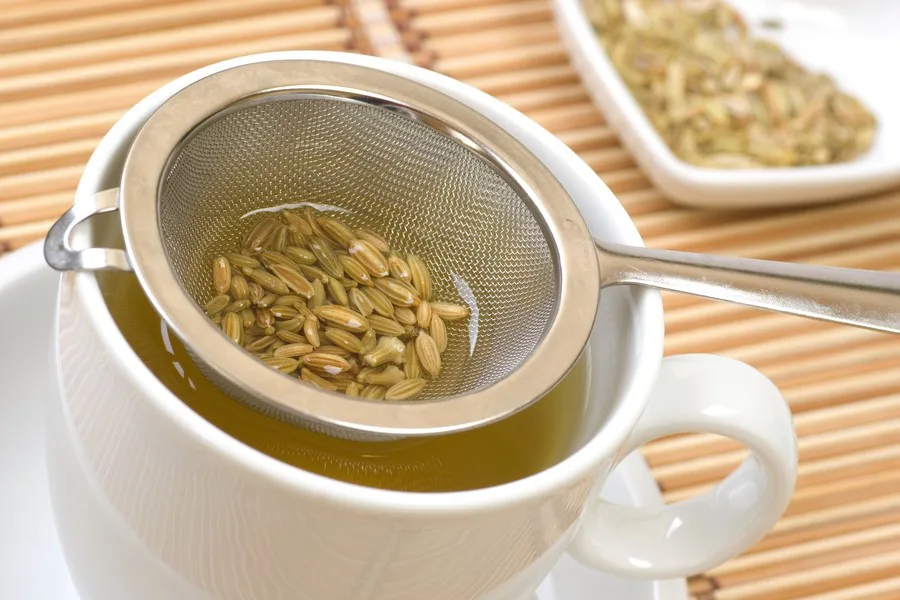
Fennel is a revered digestive aid that has been used for centuries. Fennel tea is made from the seeds of the fennel plant, which have a surprisingly sweet aroma similar to licorice root.
Research published in the journal Food Biochemistry found that fennel is an excellent anti-inflammatory agent, especially in the digestive tract. The essential oils in the plant have also long been used for digestive complaints. This helps your digestive system break down food more efficiently, without bloating.
Fennel’s aromatic and carminative properties also relieve gas, diarrhea, bloating, or stomach cramps that are often caused by irritable bowel syndrome. Fennel tea even helps reduce acidity in both the stomach and the intestines.
7. Dandelion Root

Dandelion root is one of the best herbal remedies for the liver. Dandelion tea can be made from the root alone or from the whole plant: roots, leaves, and petals. However, most research has been done on the medicinal benefits of dandelion root.
Dandelion root tea is a natural diuretic, which means it helps the body flush out excess fluid and eliminate toxins. This largely helps relieve bloating caused by gas in the belly.
Dandelion root also stimulates the liver, which plays a key role in digestive function. It helps with liver cleansing and sluggish liver function, and it supports bile secretion by the hepatobiliary system. This makes it a very useful remedy for reducing congestion in the liver and gallbladder.
Which Tea Should You Drink for Bloating?
So, which tea is best for relieving bloating? It is hard to choose just one, since everyone has different preferences and symptoms. Still, chamomile tea is generally considered the gentlest and most effective for all types of symptoms. It is powerful but calming, and it has only a mild flavor.
The best part is that chamomile has an added benefit: it calms the mind and relieves nervous tension, which can be a factor in bloating.
Final Thoughts
Although all these herbal teas are helpful for relieving acute symptoms of bloating and gas, they are only a temporary solution. If you find that you suffer from these digestive problems every day, you may have an issue with your gut bacteria. The best way to treat it is to change your diet and add probiotics.
Try cutting out foods high in sugar and reducing your consumption of red meat.
Probiotic supplements, usually available in capsule or tablet form, are a convenient way to deliver “live” beneficial bacteria to the gut, where they can restore a healthy balance.
It is also important to check your diet for foods that may cause you negative reactions. As mentioned, wheat and dairy often cause gas and bloating, so it is important to first eliminate them from your diet and then watch your symptoms when you reintroduce these foods.
In addition, review the list of FODMAP foods and identify which ones may trigger your symptoms. Remember that gas and bloating can have many causes!








Leave a Reply