
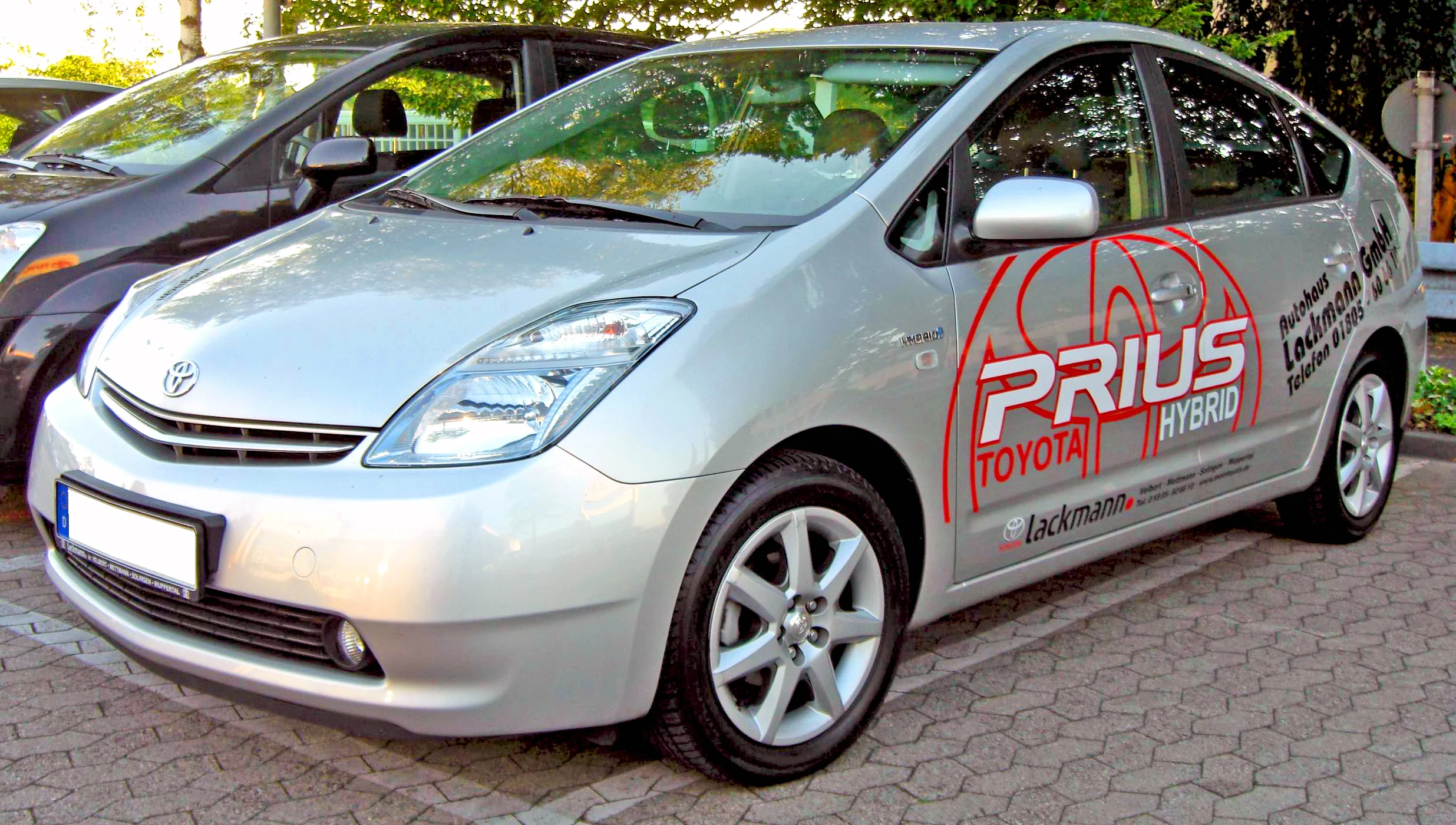
A hybrid car combines an internal combustion engine, an electric motor and a traction battery. But the word “hybrid” on its own tells you little about a car: a regular HEV never plugs in, a plug-in PHEV depends on being charged regularly, and a mild hybrid only assists the gasoline or diesel engine. Here is the difference, the real benefit and how to check the car before you buy.
What a hybrid car is
In a hybrid system the internal combustion engine works together with one or more electric motors. The electric side helps when pulling away and accelerating, returns part of the energy under braking and lets the combustion engine spend less time in inefficient modes. The exact layout depends on the model: in some cars both the engine and the electric motor can turn the wheels, while in others the engine mainly generates electricity.
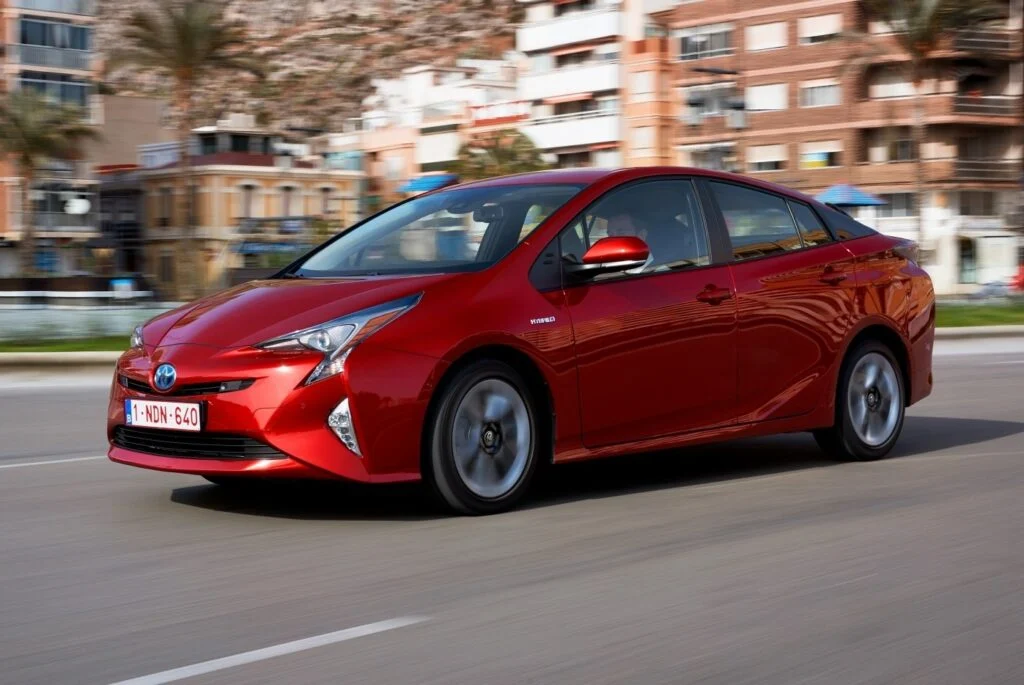
HEV, PHEV, mild hybrid and an electric car: what is the difference
| Type | Does it need plugging in | How electricity is used | Who it suits |
|---|---|---|---|
| HEV, regular hybrid | No | The battery is charged by regenerative braking and the engine, and the electric motor helps on the move | Drivers who want lower city fuel use without changing their habits |
| PHEV, plug-in hybrid | Yes, for the full benefit | A bigger battery, so part of your routes can be driven on electricity | Drivers with regular charging and a short daily route |
| Mild hybrid | No | A small electric system helps the engine but does not replace it | Drivers choosing a conventional car with a modest drop in fuel use |
| BEV, electric car | Yes | Driving on the traction battery and the electric motor only | Drivers who can plan charging and want to give up fuel |
How a regular HEV hybrid works
When pulling away and driving slowly, the car can be helped along by the electric motor. While cruising steadily the system picks the most economical mode, and under hard acceleration it combines the pull of the engine and of the electric side. When the driver lifts off the accelerator or brakes, the electric motor works as a generator and returns part of the energy to the battery. That is why a regular hybrid does not have to be plugged into a charging station.
Pulling away and slow driving
The electric motor takes on part of the work in the situations where a gasoline engine usually burns more fuel per kilometer.
Acceleration and highway
The system splits the pull between the engine and the electric motor by itself. At high speed the main contribution more often comes from the internal combustion engine.
Braking
Part of the kinetic energy goes back into the battery. Regenerative braking is exactly what makes a hybrid especially well suited to a city with frequent stops.
What a plug-in PHEV hybrid gives you
A plug-in hybrid has a bigger battery, and it can be charged from an external source. Once charged, the car can run on electricity alone for a while, after which the internal combustion engine takes over. The advantage of a PHEV shows itself when the driver charges the car all the time. If you never plug it in, you end up carrying a heavy battery and a complex powertrain without the main benefit.
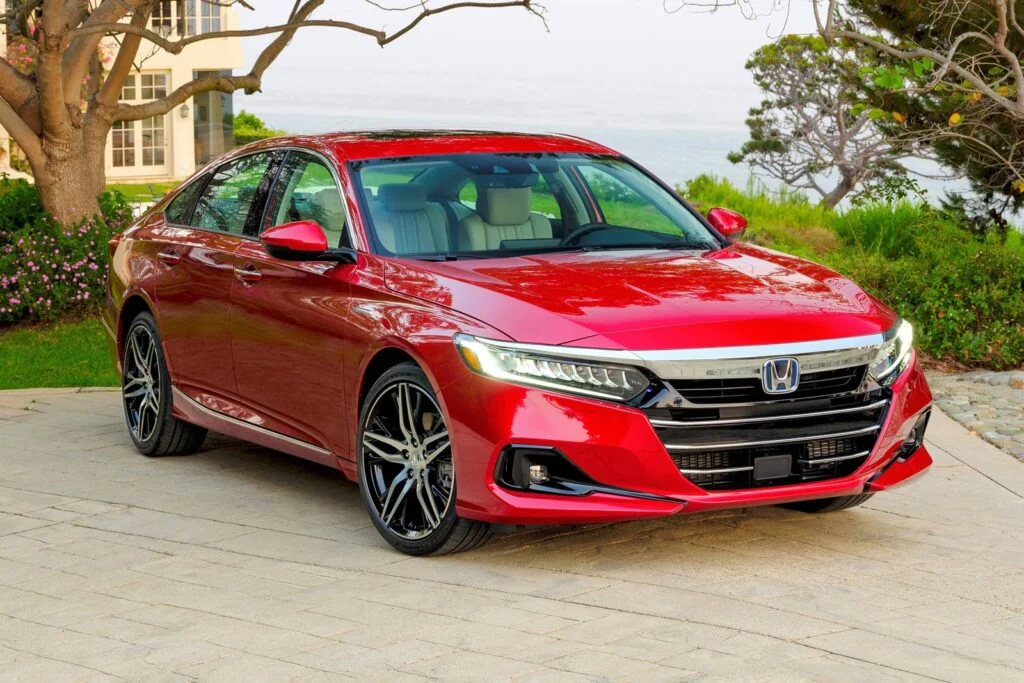
Pros and cons of a hybrid car
| Pros | Limitations |
|---|---|
| City fuel consumption is usually lower than in a comparable car with a combustion engine only | The design is more complex than in a conventional gasoline car |
| Quiet starts and smooth pull at low speed | Real savings depend on the route, the temperature and your driving style |
| Regenerative braking returns part of the energy when you slow down | The traction battery loses capacity over time |
| An HEV needs no charging infrastructure | A PHEV pays off only with regular charging |
| In many models the conventional brakes are under less load | Diagnosing the high-voltage side calls for a specialist workshop |
What to check before buying a used hybrid
- The service history, manufacturer campaigns and the paperwork for the high-voltage battery.
- Hybrid system faults and the condition of the battery at a specialist workshop.
- How smoothly the car switches between electric drive and the engine.
- The battery cooling, the air conditioning and the heater.
- On a PHEV — the charge port, the cable, actual charging and the electric range in a real-world test.
- On an HEV — no warnings on the dashboard and no unstable engine revs.
Who really benefits from a hybrid
A regular hybrid makes the most sense in a city with plenty of traffic lights and slow traffic. On a flat highway the advantage is usually smaller, because regenerative braking is used less often. A PHEV suits a driver with short daily trips and regular access to charging. If your routes are long, there is no charging and fuel savings are the only reason to buy, compare it with a regular hybrid and an economical gasoline car on total cost of ownership.
Does a regular hybrid need charging?
No. In a regular HEV hybrid the traction battery gets its energy from regenerative braking and the internal combustion engine. It needs no charging socket.
How does a PHEV differ from a regular hybrid?
A PHEV has a bigger battery and can be charged from an external supply. That lets you cover part of your trips in electric mode. A regular HEV does not plug in.
Can you drive a hybrid when the battery is flat?
Yes. In a regular hybrid the system maintains a working energy reserve by itself. In a PHEV, once the electric reserve is used up the car switches to hybrid mode and runs the internal combustion engine.
Is a hybrid more expensive to service?
It depends on the particular model and its condition. A hybrid has high-voltage components, but some systems, the brakes for example, can wear more slowly thanks to regenerative braking. Before buying it matters more to budget for a diagnostic check and go through the history than to rely on the general stereotype that hybrids are expensive.











Leave a Reply