
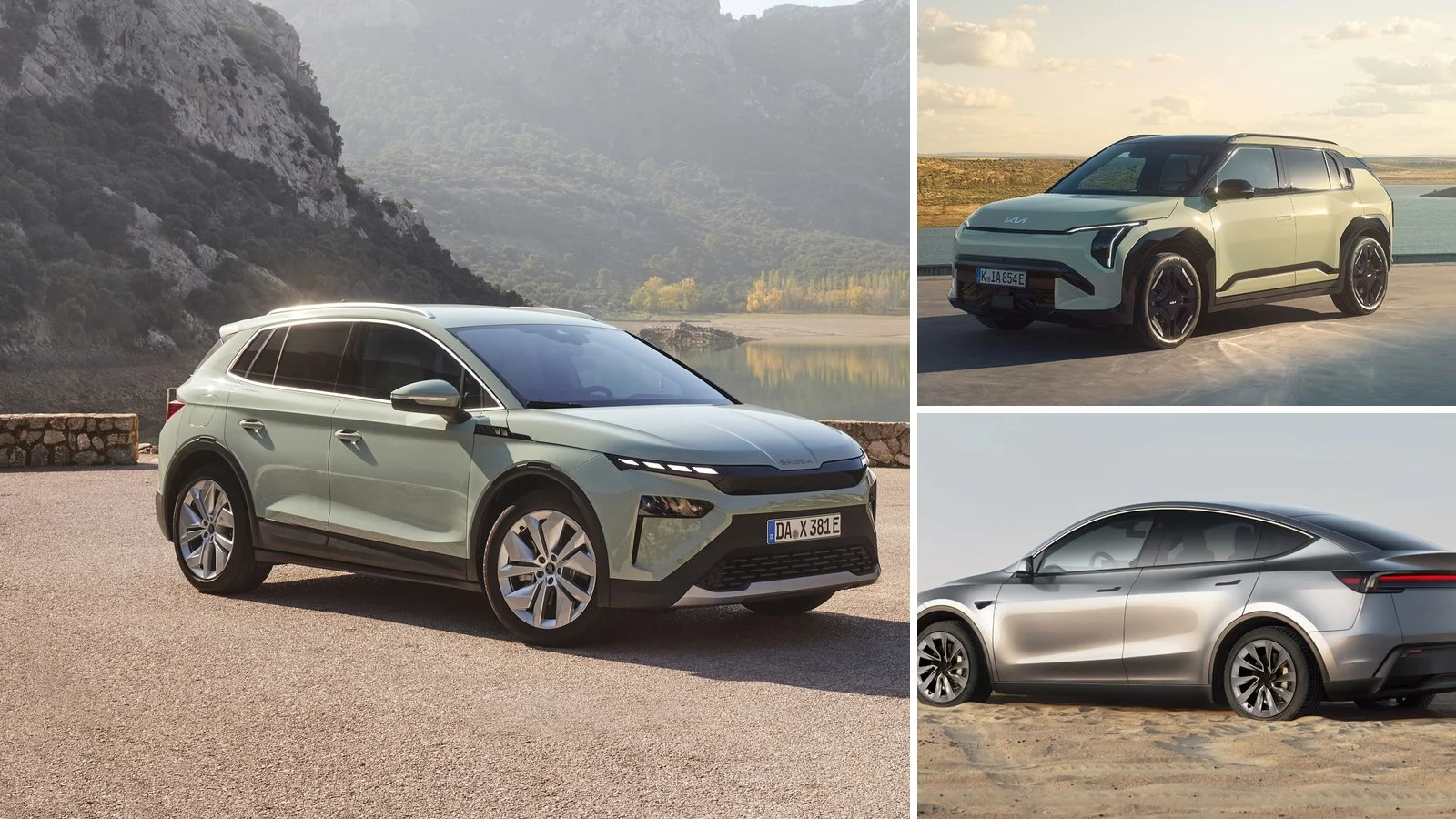
The best electric cars of 2026 for most buyers in Europe are the Škoda Elroq, Kia EV3 and Tesla Model Y. If you want a sedan, look at the Tesla Model 3 and Mercedes-Benz CLA; for maximum range, the BMW iX3 with 805 km WLTP. The list covers 10 models on sale in the EU in September 2026, from the BYD DOLPHIN SURF at €23,490 to the BMW iX3 from €63,400.
For each model we list battery capacity, WLTP range, fast-charging time, dimensions, the Euro NCAP rating with its test year and the price in Germany as of September 30, 2026. A separate section covers what matters in Ukraine: import taxes after the VAT exemption ended, charging networks, home charging and winter range loss.
How we picked
- The model is on sale in the EU in September 2026 and has an official price in Germany.
- The list covers different classes: budget and city hatchbacks, compact and family crossovers, a sedan and premium models.
- Battery, WLTP range, charging power and charging times come from the manufacturers. Tesla does not publish battery capacity or 10–80% charging times, so those figures are missing for its cars.
- Safety is the current Euro NCAP rating with its test year. The Volkswagen ID. Polo has no rating yet.
- Prices are the manufacturers’ recommended prices in Germany as of September 30, 2026, including 19% VAT and before incentives. Prices in Ukraine differ, and import taxes apply — see below.
If you haven’t decided yet whether you need an EV at all, compare it with hybrids and gasoline models in our ranking of the best cars of 2026.
1. Škoda Elroq
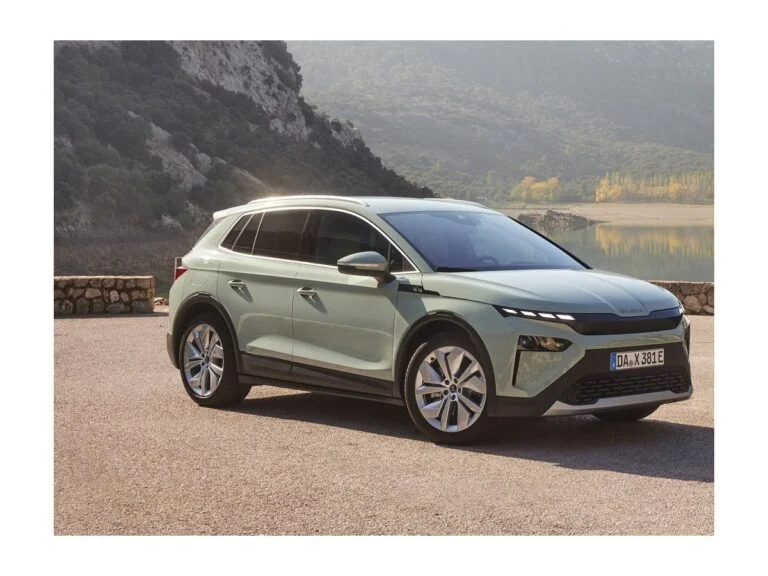
Best for familiesCompact crossover
Škoda Elroq
- Battery
- 58 or 77 kWh net (60 and 85 versions)
- WLTP range
- up to 453 km (60), up to 576 km (85)
- DC charging
- 105 kW and 26 min for 10–80% (60), 165 kW and 29 min (85)
- Length
- 4,488 mm
- Trunk
- 470 L, 1,580 L with seats folded
- Euro NCAP
- 5 stars (2025)
Pricefrom €37,890 in Germanychecked 30 September 2026
For families who want a practical crossover without overpaying: a big trunk, 5 Euro NCAP stars and an 85 version with up to 576 km of WLTP range.
- Big trunk for a 4.49 m car
- 5 Euro NCAP stars (2025)
- Up to 576 km WLTP in the 85 version
- Base 60 version charges at 105 kW max
- 41% below WLTP in NAF’s winter test
The Elroq is a 4.49 m compact crossover built on the MEB platform. According to Škoda, it became Europe’s best-selling EV in January 2026, and it finished second in the Car of the Year 2026 contest. From model year 2026 the base 60 version gets a 58 kWh net LFP battery: it is the most affordable version, but it charges at 105 kW max. For range, go for the 85 with a 77 kWh battery and up to 576 km WLTP.
The main caveat is winter. In the winter test by the Norwegian automobile club NAF, at −7 to −32 °C, the Elroq covered 309 km against a claimed 524 km: 41% less, versus a test average of 38%.
2. Kia EV3
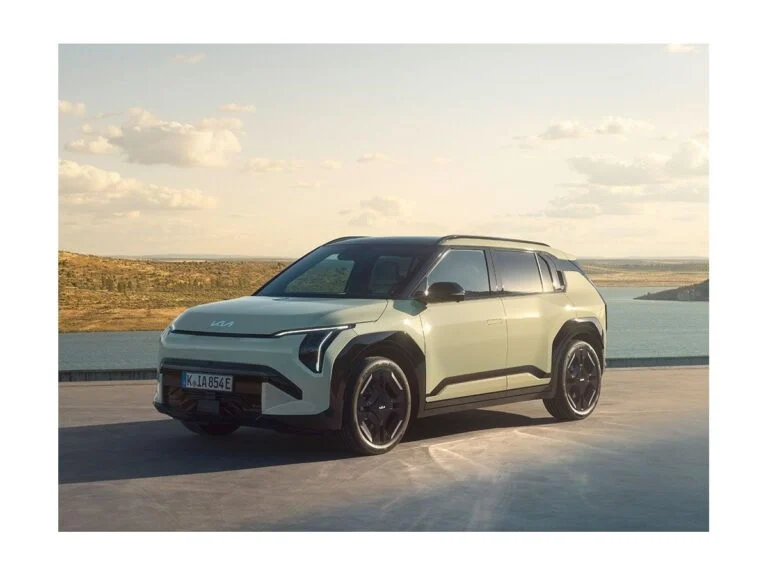
Up to 605 km WLTPCompact crossover
Kia EV3
- Battery
- 58.3 or 81.4 kWh
- WLTP range
- up to 605 km (81.4 kWh)
- DC charging
- 10–80% in 29 min (101 kW) or 31 min (128 kW)
- Length
- 4,300 mm
- Trunk
- 460 L plus a 25 L frunk
- Euro NCAP
- 4 stars, 5 stars with DriveWise ADAS Pack (2025)
Pricefrom €35,990 in Germanychecked 30 September 2026
For drivers who cover long distances but park in the city: at 4.3 m long, the 81.4 kWh version offers up to 605 km of WLTP range.
- Up to 605 km WLTP
- Compact: 4.3 m long
- 25 L frunk
- 4 Euro NCAP stars without DriveWise ADAS Pack
- Peak charging power is 128 kW
The EV3 is almost 19 cm shorter than the Elroq, yet with the 81.4 kWh battery it claims up to 605 km WLTP, more than any other compact crossover here. Fast charging is more modest: 10–80% in 31 minutes at a 128 kW peak, or 29 minutes with the 58.3 kWh battery.
In 2025 Euro NCAP gave the EV3 four stars with standard equipment and five with the optional DriveWise ADAS Pack, which improves automatic emergency braking. Check whether a specific car has the pack.
3. Tesla Model Y
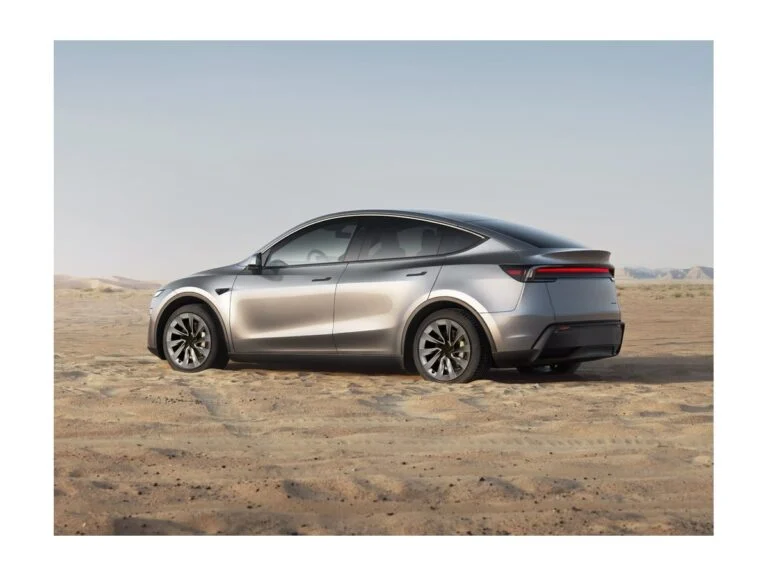
Popular in UkraineFamily crossover
Tesla Model Y
- Versions
- Standard, Premium (RWD or AWD), Performance
- WLTP range
- 525 km (Standard), up to 622 km (Premium)
- Supercharging
- up to 175 kW (Standard), up to 250 kW (Premium)
- In 15 minutes
- up to 254 km (Standard), up to 267 km (Premium AWD)
- Length
- 4,797 mm (Standard)
- Cargo volume
- up to 2,138 L with seats folded
- Euro NCAP
- 5 stars (2025)
Pricefrom €40,970 in Germanychecked 30 September 2026
For families who often drive to the EU: a fast Supercharger network, up to 622 km WLTP and Euro NCAP’s best 2025 result among small SUVs.
- Euro NCAP’s best small SUV of 2025
- Up to 622 km WLTP (Premium)
- Supercharger network in the EU
- No Superchargers in Ukraine
- Tesla does not state battery capacity
According to Euro NCAP, the Model Y was the safest small SUV it tested in 2025. The base Standard version offers 525 km WLTP and charges at up to 175 kW; the Premium offers up to 622 km and 250 kW, and Tesla promises up to 267 km of range in 15 minutes at a Supercharger.
The Model Y and Model 3 are among Ukraine’s three most popular used EVs: according to Ukrautoprom, 1,468 used Model Ys and 1,355 Model 3s were sold in the country for the first time in the first half of 2026. Keep in mind that Ukraine has no Superchargers; the nearest are in Poland, Slovakia, Hungary and Romania.
4. Hyundai IONIQ 5
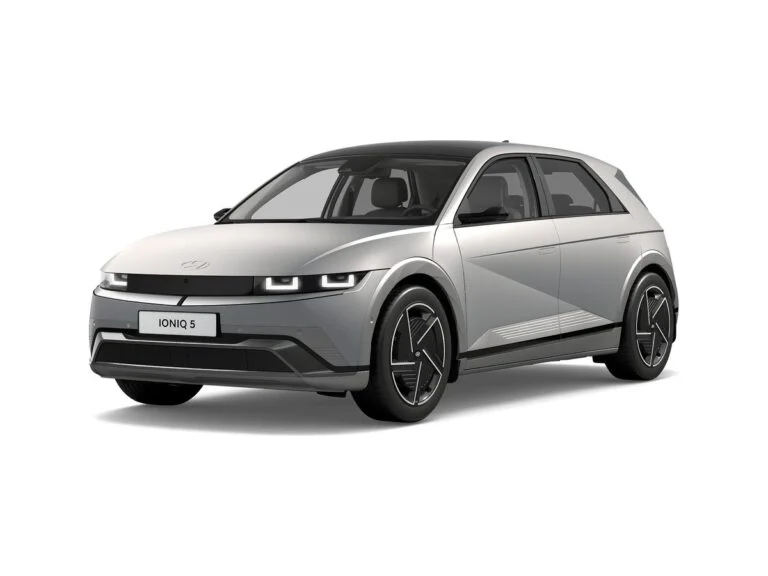
10–80% in 18 minutesFamily crossover
Hyundai IONIQ 5
- Battery
- 63 or 84 kWh
- WLTP range
- 440 km (63 kWh), up to 570 km (84 kWh)
- DC charging
- up to 260 kW, 10–80% in about 18 min at a 350 kW charger
- At a 50 kW charger
- 58 min (63 kWh), 1 h 16 min (84 kWh)
- Length
- 4,655 mm
- Trunk
- 520 L (up to 1,580 L) plus a 57 L frunk
- Euro NCAP
- 5 stars (2021, confirmed in 2024)
Pricefrom €45,750 in Germanychecked 30 September 2026
For frequent highway drivers: the 800-volt architecture charges from 10 to 80% in about 18 minutes at a powerful charger.
- 10–80% in about 18 min
- 3 m wheelbase, roomy rear seat
- Listed by Hyundai’s official distributor in Ukraine
- Over an hour at a 50 kW charger
- Heat pump is optional on the base version
The IONIQ 5 uses an 800-volt architecture: at a 350 kW charger its battery goes from 10 to 80% in about 18 minutes, the best result among the models here whose makers publish this figure. At a 50 kW charger the advantage almost disappears: the IONIQ 5 with the 84 kWh battery takes 1 hour 16 minutes for 10–80%, the Kia EV3 with 81.4 kWh takes 1 hour 19 minutes.
The 3 m wheelbase gives plenty of rear-seat room, and the trunk holds 520 L plus 57 L up front. The Euro NCAP rating is 5 stars from a 2021 test, confirmed in 2024 for the updated version. The IONIQ 5 is listed on the website of Hyundai’s official distributor in Ukraine. In Germany, the heat pump is a €1,200 option on the base version.
5. Tesla Model 3
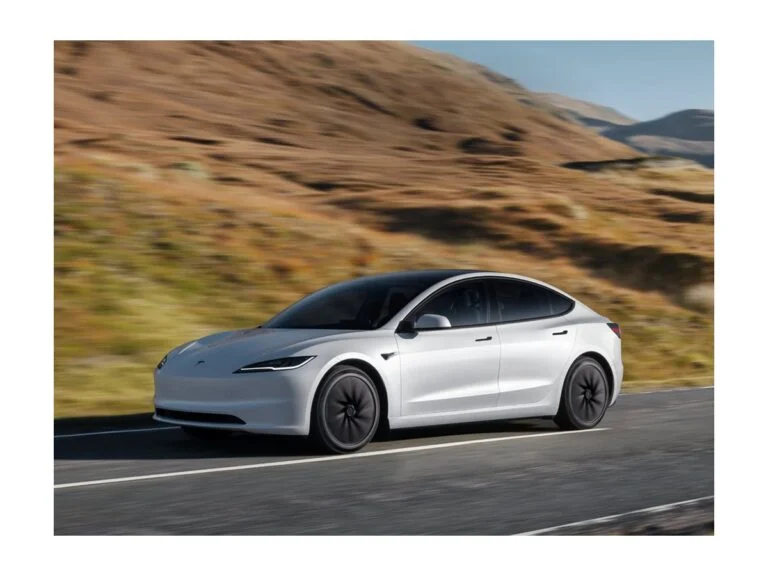
Euro NCAP Best in Class 2025Sedan
Tesla Model 3
- Versions
- Standard, Premium (RWD or AWD), Performance
- WLTP range
- 572 km (Standard), up to 750 km (Premium RWD on 18-inch wheels)
- Supercharging
- up to 175 kW (Standard), up to 250 kW (Premium)
- In 15 minutes
- up to 286 km (Standard)
- WLTP consumption
- 12.2 kWh/100 km (Standard)
- Length
- 4,720 mm
- Trunk
- 682 L (all compartments)
- Euro NCAP
- 5 stars (2025)
Pricefrom €37,970 in Germanychecked 30 September 2026
For those who want the most range for the money: the base version offers 572 km WLTP, the rear-wheel-drive Premium up to 750 km.
- Up to 750 km WLTP (Premium RWD)
- Euro NCAP’s best large family car of 2025
- WLTP consumption of 12.2 kWh/100 km
- No Superchargers in Ukraine
- Tesla does not state battery capacity
The Model 3 was Euro NCAP’s safest large family car of 2025. The base Standard version, with official consumption of 12.2 kWh/100 km, offers 572 km WLTP; the rear-wheel-drive Premium on 18-inch wheels offers up to 750 km. Green NCAP has called the Model 3’s consumption one of the lowest in its test history.
Range drops noticeably in winter: Green NCAP estimates that a 2024 rear-wheel-drive Model 3 (513 km WLTP) would cover about 251 km in its cold cycle at −7 °C. In Ukraine the same applies as for the Model Y: there are no Superchargers, so you will charge on other networks via the CCS2 connector.
6. Mercedes-Benz CLA
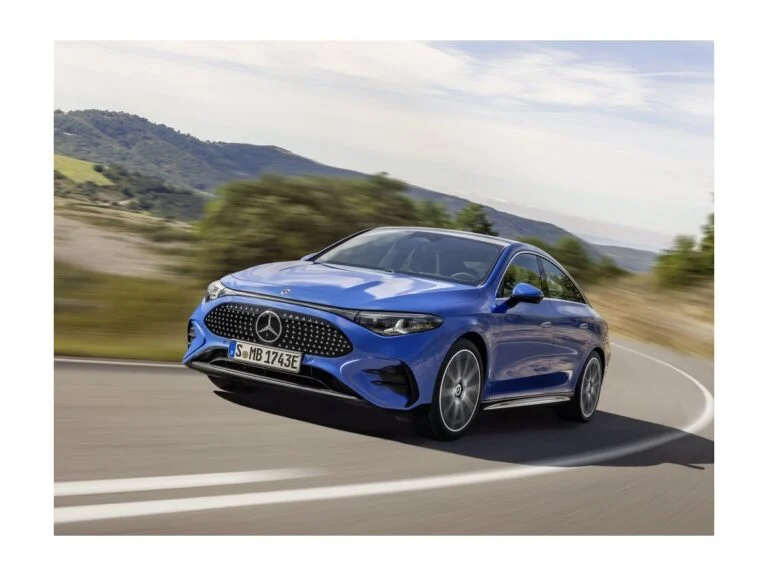
Car of the Year 2026Premium sedan
Mercedes-Benz CLA
- Battery
- 58, 71 or 85 kWh net
- WLTP range
- 542 km (CLA 200), up to 792 km (CLA 250+)
- DC charging
- up to 320 kW, 10–80% in 22 min (CLA 250+), 20 min (CLA 200)
- In 10 minutes
- up to 325 km (CLA 250+)
- Trunk
- 405 L plus a 101 L frunk
- Euro NCAP
- 5 stars (2025), best result of the year
Pricefrom €46,949.67 in Germanychecked 30 September 2026
For those who want a premium sedan with minimal consumption: the CLA 250+ offers up to 792 km WLTP and adds up to 325 km in 10 minutes of charging.
- Up to 792 km WLTP (CLA 250+)
- Best Euro NCAP result of 2025
- Heat pump as standard
- Pricier than mainstream models
- 421 km vs. a claimed 709 km in NAF’s winter test
The CLA was named Car of the Year 2026 (320 points from 59 jurors in 23 countries) and Euro NCAP’s best performer of 2025. The CLA 250+ with an 85 kWh battery offers up to 792 km WLTP, charges at up to 320 kW and adds up to 325 km of range in 10 minutes. The base CLA 200 with a 58 kWh battery offers up to 542 km and charges from 10 to 80% in 20 minutes.
In Green NCAP tests, the estimated mixed-cycle range of the CLA 250+ is 674 km in warm weather and 425 km at −7 °C, and preheating while plugged in adds about 105 km in winter. The model is listed on Mercedes-Benz’s Ukrainian website.
7. BMW iX3
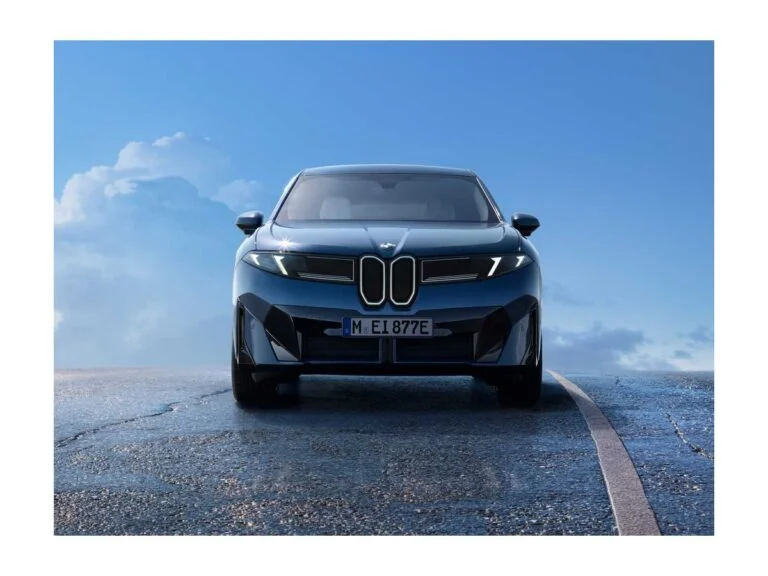
Up to 805 km WLTPPremium crossover
BMW iX3
- Battery
- 82.6 kWh (iX3 40) or 108.7 kWh (iX3 50 xDrive)
- WLTP range
- up to 637 km (40), up to 805 km (50 xDrive)
- DC charging
- 300 or 400 kW, 10–80% in 21 min
- In 10 minutes
- up to 372 km (50 xDrive)
- Length
- 4,782 mm
- Trunk
- 520 L (up to 1,750 L) plus a 58 L frunk
- Euro NCAP
- 5 stars (2026, new protocol)
Pricefrom €63,400 in Germanychecked 30 September 2026
For high-mileage drivers ready to pay for premium: the iX3 50 xDrive offers up to 805 km WLTP and charges from 10 to 80% in 21 minutes.
- Longest range in this list
- 10–80% in 21 min
- 5 stars under Euro NCAP’s new protocol
- Most expensive in this list
- iX3 50 xDrive from €70,900
The iX3 is the first production model of BMW’s Neue Klasse, and European sales began in spring 2026. The 50 xDrive with a 108.7 kWh battery claims up to 805 km WLTP, the most in this list, and charges at up to 400 kW: 10–80% in 21 minutes, up to 372 km in 10 minutes.
The entry iX3 40 with an 82.6 kWh battery offers up to 637 km and costs from €63,400. BMW specifically notes that the iX3 can also charge at 400-volt stations, which matters if your route lacks high-power chargers. In July 2026 the iX3 was one of the first cars to earn 5 stars under Euro NCAP’s new, stricter protocol. The model is listed on BMW’s Ukrainian website.
8. Renault 5 E-Tech
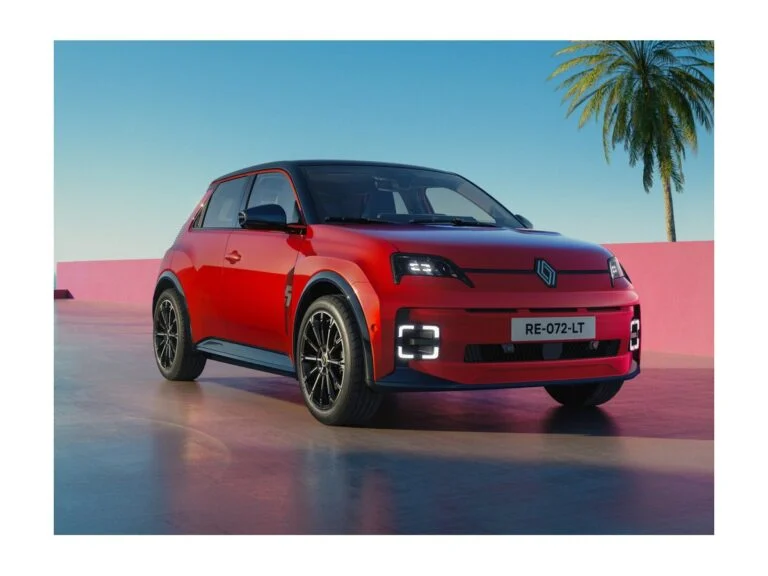
Car of the Year 2025City hatchback
Renault 5 E-Tech
- Battery
- 40 or 52 kWh, new base version 36.5 kWh LFP
- WLTP range
- up to 315 km (40), up to 430 km (52)
- DC charging
- 80 kW (40), 100 kW (52), 15–80% in 30 min
- Length
- 3,922 mm
- Trunk
- 326 L (up to 1,106 L)
- Euro NCAP
- 4 stars (2024)
Pricefrom €26,290 in Germanychecked 30 September 2026
For city drivers who charge at home or at work: 3.92 m long and up to 430 km WLTP with the 52 kWh battery.
- Compact: 3.92 m long
- Up to 430 km WLTP (52 kWh)
- Car of the Year 2025
- 4 Euro NCAP stars (2024)
- 212 km vs. 366 km in Green NCAP’s cold test
The Renault 5, Car of the Year 2025, is 3.92 m long. In August 2026 Renault announced an update: range rises to 315 km for the 40 kWh version and 430 km for the 52 kWh version, and a new base version will get a 36.5 kWh LFP battery (up to 305 km) with 80 kW fast charging as standard. With the 52 kWh battery, DC charging reaches 100 kW, and 15–80% takes 30 minutes.
A city car has a harder time in winter: in Green NCAP’s cold cycle at −7 °C, the estimated range of the 52 kWh R5 is 212 km versus 366 km in warm weather. Euro NCAP gave the model 4 stars in 2024.
9. Volkswagen ID. Polo
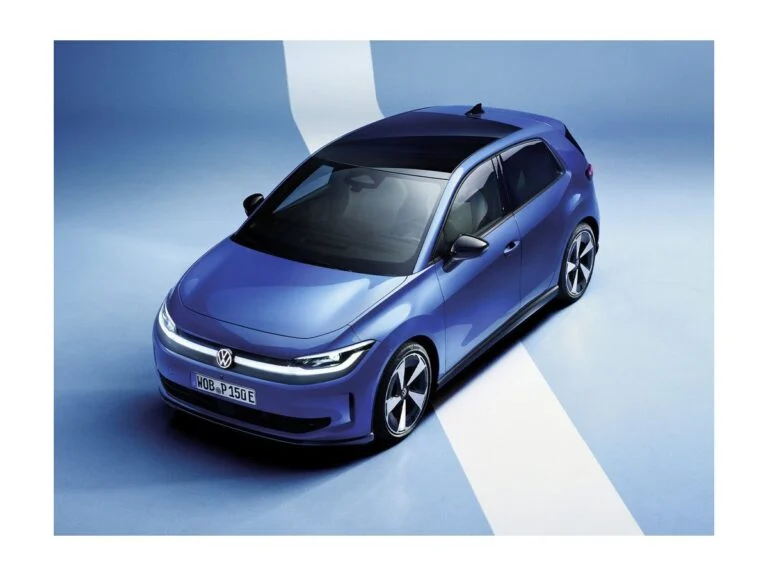
New for 2026Compact hatchback
Volkswagen ID. Polo
- Battery
- 37 kWh LFP or 52 kWh NMC (net)
- WLTP range
- up to 334 km (37), up to 454 km (52)
- DC charging
- 90 kW and about 23 min for 10–80% (37), 105 kW and about 24 min (52)
- Length
- 4,053 mm
- Trunk
- 441 L (up to 1,243 L)
- Euro NCAP
- not rated yet
Pricefrom €24,995 in Germanychecked 30 September 2026
For those who need an affordable, practical hatchback: a 441 L trunk, fast charging as standard and up to 454 km WLTP with the 52 kWh battery.
- Big trunk for its class: 441 L
- 90 kW fast charging on the base version
- Physical buttons in the cabin
- No Euro NCAP rating yet
- Base version: up to 334 km WLTP
ID. Polo pre-sales began in late April 2026; according to Volkswagen, the model collected 25,000 orders in its first weeks. The base Trend version with a 37 kWh LFP battery costs from €24,995 and offers up to 334 km WLTP; the 52 kWh version offers up to 454 km.
Fast charging is standard: 90 kW and 10–80% in about 23 minutes, or up to 105 kW and about 24 minutes with the 52 kWh battery. The trunk (441 L) is bigger than the Renault 5’s (326 L). Euro NCAP has not tested the model yet: as of September 30, 2026, there is no rating.
10. BYD DOLPHIN SURF
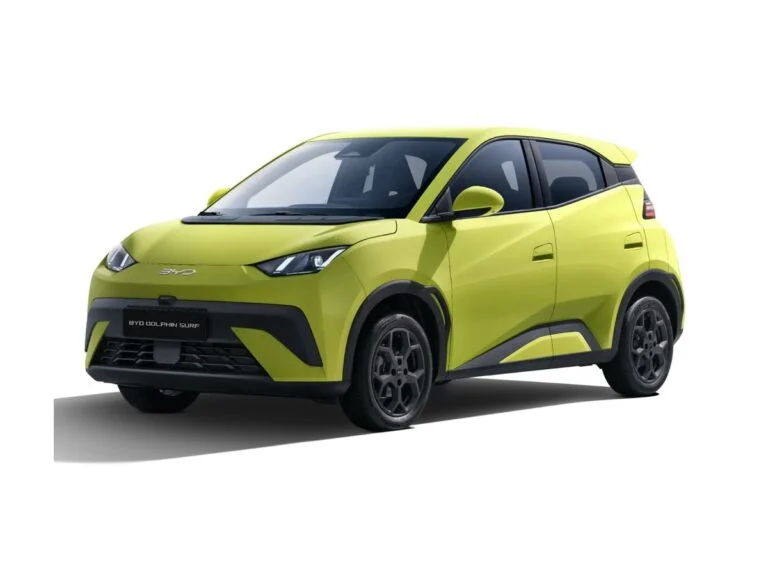
Most affordableCity hatchback
BYD DOLPHIN SURF
- Battery
- 30 or 43.2 kWh (Blade, LFP)
- WLTP range
- 220 km (30), up to 322 km (43.2)
- DC charging
- 65 kW (30), 85 kW and about 30 min for 10–80% (43.2)
- Trunk
- 308 L (up to 1,037 L)
- Euro NCAP
- 5 stars (2025)
Pricefrom €23,490 in Germanychecked 30 September 2026
For those who need an affordable, well-protected city car: 5 Euro NCAP stars and up to 322 km WLTP with the 43.2 kWh battery.
- Most affordable in this list
- 5 Euro NCAP stars (2025)
- Up to 322 km WLTP (43.2 kWh)
- Base version: 220 km WLTP
- Fast charging tops out at 85 kW
The most affordable EV in this list: in Germany the Active version with a 30 kWh battery costs from €23,490 and offers 220 km WLTP. The Boost version with a 43.2 kWh battery costs €27,490 and offers up to 322 km; it fast-charges at up to 85 kW, taking about 30 minutes for 10–80%.
Even so, Euro NCAP gave the DOLPHIN SURF five stars in 2025, the same as far more expensive models here. For trips outside the city, choose the 43.2 kWh version.
Comparison of the best electric cars of 2026
| Model | Battery, kWh | WLTP range, km | DC 10–80%, min | Euro NCAP stars | Price in Germany, € |
|---|---|---|---|---|---|
| Škoda Elroq | 58 / 77 | up to 576 | 26–29 | 5 (2025) | from 37,890 |
| Kia EV3 | 58.3 / 81.4 | up to 605 | 29–31 | 4, 5 with pack (2025) | from 35,990 |
| Tesla Model Y | — | up to 622 | — | 5 (2025) | from 40,970 |
| Hyundai IONIQ 5 | 63 / 84 | up to 570 | about 18 | 5 (2021) | from 45,750 |
| Tesla Model 3 | — | up to 750 | — | 5 (2025) | from 37,970 |
| Mercedes-Benz CLA | 58 / 71 / 85 | up to 792 | 20–22 | 5 (2025) | from 46,949.67 |
| BMW iX3 | 82.6 / 108.7 | up to 805 | 21 | 5 (2026) | from 63,400 |
| Renault 5 E-Tech | 40 / 52 | up to 430 | 30 (15–80%) | 4 (2024) | from 26,290 |
| Volkswagen ID. Polo | 37 / 52 | up to 454 | 23–24 | no rating | from 24,995 |
| BYD DOLPHIN SURF | 30 / 43.2 | up to 322 | about 30 | 5 (2025) | from 23,490 |
Prices are the lowest recommended prices in Germany as of September 30, 2026; Tesla’s price already includes delivery, other brands’ prices do not. Charging times are for the maximum power the car supports; at a slower charger they will be longer.
What matters for buyers in Ukraine
Ukraine’s EV market shrank in 2026: according to Ukrautoprom, 14,404 electric passenger cars were registered in the first half of the year, 53% fewer than a year earlier. New cars made up only 19% of all registered EVs, led by the Chinese BYD Leopard 3, BYD Sea Lion 06 and ZEEKR 001. Among used EVs, the Nissan Leaf, Tesla Model Y and Model 3 top the list.
Import taxes in 2026
Since 2018 EVs had been imported into Ukraine without VAT, but that exemption ended on January 1, 2026: the relevant clause of the Tax Code was removed by Law No. 4698-IX. Importing an EV now means paying:
- import duty of 0% for both new and used cars (Customs Tariff of Ukraine);
- excise tax of €1 per kWh of battery capacity;
- VAT of 20% on the customs value plus excise.
Example: an EV with a customs value of €30,000 and a 60 kWh battery. Excise is €60 and VAT is 20% of €30,060, or €6,012, for €6,072 in taxes, not counting broker, certification and registration fees. The pension levy charged on first registration does not apply to cars with electric motors only. If you are buying a used EV, have it inspected thoroughly before you pay.
Where to charge
The European versions of all cars in this list use the EU standard connectors: Type 2 for AC and CCS2 at fast chargers. Cars built for the Chinese market, many of which are imported into Ukraine, usually have the Chinese GB/T connector, so before buying check that the chargers on your routes support it.
From October 1, 2026, the YASNO E-mobility stations are operated by TOKA: you start charging through the TOKA Network app, and balances left in YASNO accounts are transferred automatically. There are no Tesla Superchargers in Ukraine; the nearest are in Poland, Slovakia, Hungary and Romania (per supercharge.info as of September 30, 2026).
Charging at home
You can charge from a regular outlet, but it is slow. Kia says the EV3 with the 81.4 kWh battery charges from 10 to 100% on a 230 V (12 A) household outlet in 32 hours 10 minutes, and on an 11 kW wall charger in 7 hours 15 minutes. 11 kW requires a three-phase supply; on a single phase a wall charger delivers up to 7.4 kW (32 A), so check your permitted connection capacity before installing one.
Ukraine’s household electricity rate is UAH 4.32 per kWh and stays in force until October 31, 2026. At 16 kWh per 100 km that is about UAH 69 per 100 km, excluding charging losses.
Less range in winter
In its 2026 winter test at −7 to −32 °C, the Norwegian automobile club NAF measured an average range loss of 38% versus WLTP; in the milder winter of 2025, at −6 to +8 °C, the loss was 18%. From this list, the Škoda Elroq covered 309 km instead of the claimed 524, the Tesla Model Y 359 instead of 629 and the Mercedes-Benz CLA 421 instead of 709 km (Norwegian versions were tested).
A heat pump and preheating the car while plugged in help: the CLA has a heat pump as standard, and preheating added about 105 km in the mixed cycle in Green NCAP’s −7 °C test. In Germany the heat pump is a €1,200 option on the base Hyundai IONIQ 5.
How to choose an electric car
- Real-world range. WLTP is a lab figure. Pick a model whose winter range, 20–40% below WLTP, still covers your typical day with a margin.
- Where you will charge. If you have an outlet or space for a wall charger at home or at work, almost any model will do. If you rely on public chargers, the 10–80% time and the power of chargers on your routes matter more.
- Charging speed. Compare 10–80% times, not peak kilowatts: about 18 minutes for the IONIQ 5, 31 for the Kia EV3 and about 30 for the BYD DOLPHIN SURF. At a 50 kW charger even the IONIQ 5 with the big battery needs more than an hour.
- Connector and market version. European cars use CCS2 and Type 2, cars built for China usually GB/T. Check how navigation, apps and the warranty work in Ukraine.
- Safety. Look at the Euro NCAP stars and the test year: since 2026 Euro NCAP tests under a new, stricter protocol. Check whether the rating applies to standard equipment: the Kia EV3 gets 4 stars as standard and five with the optional pack.
If you have nowhere to charge at home or at work, a hybrid may make more sense: we explain how it works and how the types differ in what is a hybrid car.
Sources and methodology
Analysis of public sourcesChecked 30 September 2026
- Tax Code of Ukraine: excise and VAT on EVs zakon.rada.gov.ua
- Law No. 4698-IX: EV VAT exemption ended on January 1, 2026 zakon.rada.gov.ua
- Customs Tariff of Ukraine: 0% duty on EVs zakon.rada.gov.ua
- Euro NCAP: safety ratings euroncap.com
- NAF El Prix: 2026 winter range test naf.no
FAQ
Which electric car goes the farthest in 2026?
From this list, the BMW iX3 50 xDrive: up to 805 km WLTP. Next come the Mercedes-Benz CLA 250+ (up to 792 km) and the rear-wheel-drive Tesla Model 3 Premium (up to 750 km on 18-inch wheels). In winter, real-world range is 20–40% lower.
How much does it cost to clear an EV through customs in Ukraine in 2026?
Duty is 0%, excise is €1 per kWh of battery capacity, and VAT is 20% of the customs value plus excise. For a €30,000 car with a 60 kWh battery that is €6,072 in taxes, not counting broker and registration fees.
How much range does an EV lose in winter?
In NAF’s 2026 winter test at −7 to −32 °C, the cars covered 38% less than their WLTP range on average; in the milder winter of 2025 the loss was 18%. A heat pump and preheating while plugged in reduce the loss.
Can you charge an EV from a regular outlet?
Yes, but slowly: the Kia EV3 with the 81.4 kWh battery charges from 10 to 100% on a 230 V (12 A) outlet in 32 hours 10 minutes, or in 7 hours 15 minutes on an 11 kW wall charger. For daily charging, a wall charger is the better choice.
Are there Tesla Superchargers in Ukraine?
No: according to supercharge.info, as of September 30, 2026 there is not a single Supercharger in Ukraine. The nearest are in Poland, Slovakia, Hungary and Romania; in Ukraine, Teslas charge on other networks via the CCS2 connector.







Leave a Reply