
Meta has recapped its Connect 2026 conference: the company is developing AI agents, smart glasses and VR devices at the same time. The main idea is clear: Meta wants digital assistants and interfaces to move beyond the smartphone screen.
What Meta showed at Connect
The presentation centered on Muse, Meta’s personal AI agent. It’s built for more than replying in a chat: the service is meant to help with everyday tasks, work with connected apps and take action after the user confirms.
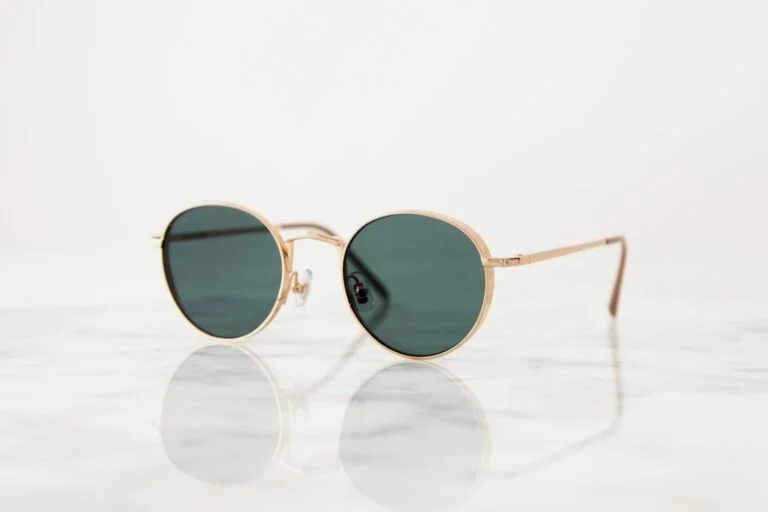
The second big focus is devices. Meta introduced new glasses form factors, including a VR model, and expanded its lineup of AI glasses. The company is betting on lighter devices that can be worn longer than a typical VR headset.
Why this isn’t just for enthusiasts
Glasses are becoming one more way to use maps, the camera, a voice assistant and notifications. In the best-case scenario, they don’t replace the phone but take over quick actions: route directions, a call, a translation or an information lookup.
This approach has a tricky side, too. The more a service knows about the user’s context, the more important transparent permissions become: which apps are connected, what the agent can read, which actions it takes on its own and where explicit confirmation is required.
What to expect next
Meta promises to keep developing Muse on mobile devices and in glasses. The first features usually roll out in stages and can vary by country, so the presentation shouldn’t be read as a list of capabilities available to everyone on the same day.
For the market, this is an important signal: competition in AI is no longer limited to chatbots. The next stage is devices and services that understand context and help carry out a specific action.